Become an AMSOIL Dealer in New Jersey with a service idea built around the people and equipment you understand. An independent business can begin with a narrow audience, such as a small service fleet or recreational owners who want clearer application information. You will need time for product study, careful communication and dependable follow-up, even when you already know potential contacts. Kyle Holdridge is an independent AMSOIL Dealer based in Minnesota who provides online guidance for people considering registration. This guide connects New Jersey context with the work behind the opportunity. It does not claim a local retail counter, exclusive territory or an established customer base. Use it to prepare practical questions and a manageable plan before reviewing the current official Dealer program and deciding how it fits your interests and resources.
02Service vehicles connect low miles with long days
Service vehicles connect low miles with long days
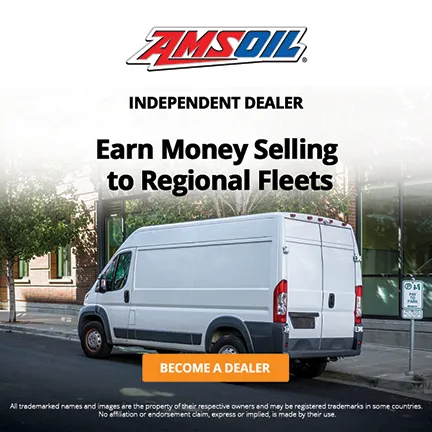
A regional service business around Newark, New Brunswick or other densely developed communities is one audience possibility to investigate. Its vehicles may make repeated short trips while crews spend long periods at customer sites. Begin by asking how the business tracks maintenance, who selects supplies and who approves purchases. The driver may know the daily workload while a shop or administrator controls product choices. Respect those roles instead of proposing changes through the wrong person. Offer to research one identified vehicle and prepare a reference for the actual decision-maker. Engine, transmission and axle requirements need individual confirmation. A useful first conversation learns the owner's priorities and existing process; the number of service vans on New Jersey roads does not establish demand for a particular new Dealer's assistance.
Trade and construction businesses · illustrative artwork
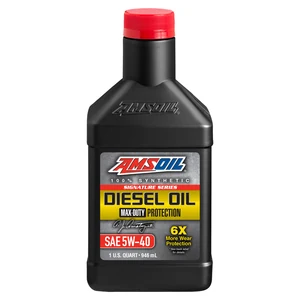
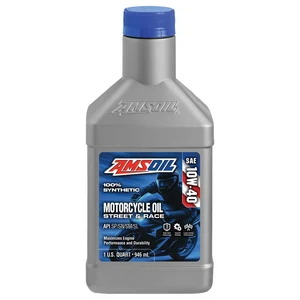
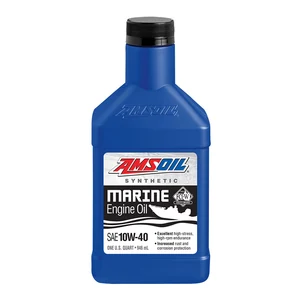
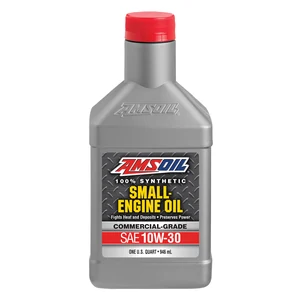
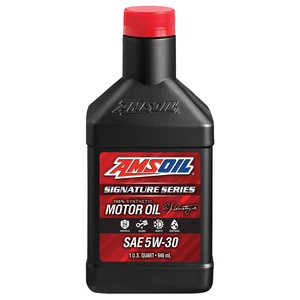
Product examples for learning—not verified vehicle fitment. Match the manual, specifications and current product guidance.
03Coastal influence and inland variation
Coastal influence and inland variation
New Jersey's climate reflects Atlantic influence along the coast and cooler inland or elevated locations, with warm summers, winter cold and precipitation across the year. The official state climate summary provides context for that variation. For a Dealer, the practical step is to ask where equipment operates and how its seasonal workload changes. A coastal customer does not automatically have a marine application, and an urban summer commute does not identify an oil viscosity. Discuss the manufacturer's actual temperature, service and storage instructions for the exact machine. Customers may own winter equipment, lawn tools and a recreational vehicle with entirely different calendars. Thoughtful seasonal follow-up can give each owner time to verify requirements before ordering. Keep broad weather context separate from the precise application information needed to support a product choice.
Grounds-care companies in suburban communities offer another possible audience for someone who understands their equipment and work rhythm. A small crew might operate mowers, handheld tools, compact equipment and the truck or trailer supporting them. Ask which records are difficult to maintain and whether service is done internally or by another business. A complete equipment worksheet may be more useful than a wide-ranging product pitch. Verify the engine rather than assuming every machine from one brand shares a lubricant requirement. Keep two-stroke products, four-stroke oil and any gearbox or hydraulic needs separate. Offer help on a limited request and let the owner assess its value. Respect busy periods and purchasing arrangements; useful assistance should reduce confusion rather than add another interruption to a tightly scheduled workday.
Regional vehicle fleets · illustrative artwork
05From the Highlands to the coastal plain
From the Highlands to the coastal plain
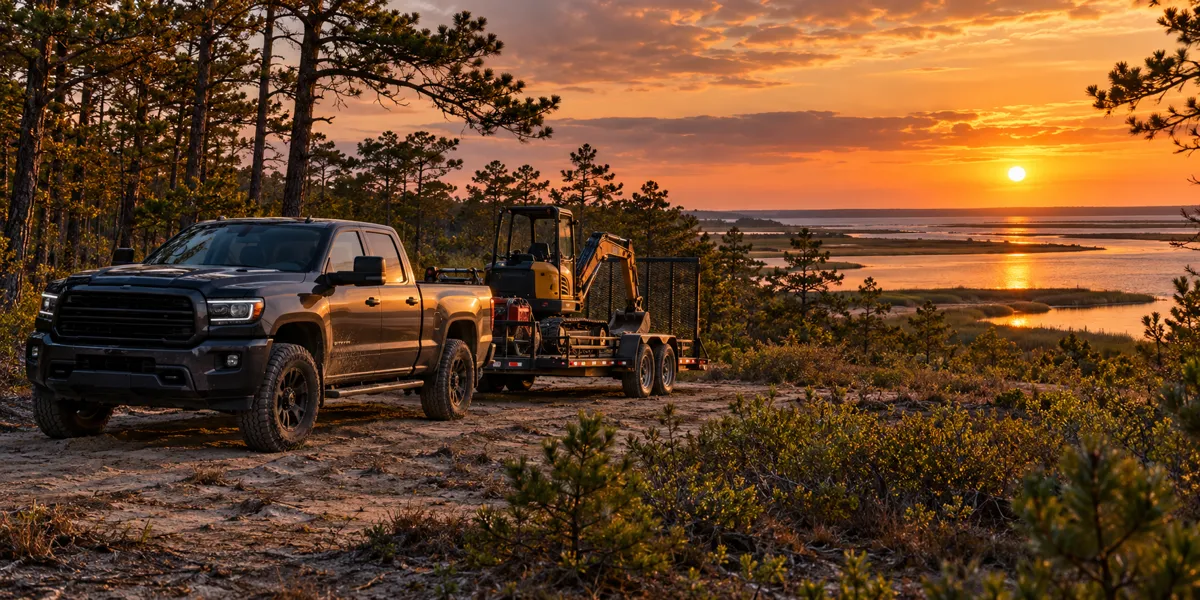
New Jersey's northwestern uplands and Highlands contrast with central and southern coastal-plain landscapes. A contractor's route may include grades, congestion and frequent stops, while recreational travel may involve towing toward the shore or rural destinations. Ask about the actual route and load instead of treating a state address as a maintenance category. Equipment instructions determine what operating conditions matter and which lubricant standards apply. The engine, axle and transmission should not be combined into a single answer. For your own Dealer plan, short distances can still require substantial travel time, so make visit commitments carefully. Online assistance may be practical for a customer beyond your regular route without suggesting a nearby storefront. Geography earns its place in the conversation when it improves questions and makes your service promises realistic.
06Millville motorsport offers a learning setting
Millville motorsport offers a learning setting
New Jersey Motorsports Park in Millville publishes official information about its road courses, track days and spectator activities. Check current organizer details before planning attendance or participation. A prospective Dealer can learn from the distinction between a track machine, a street motorcycle and the vehicle used to transport equipment. Their service instructions may come from different manufacturers or builders and should remain separate. A racing association or product name does not establish suitability for a road-going engine. Ask the organizer about permission before selling, displaying products or conducting any commercial activity at a venue. The park is included here as New Jersey motorsport context only, without claiming endorsement, sponsorship or a commercial relationship. Enthusiasm can lead to useful study, but attendance should not be treated as a guaranteed source of customers.
Begin product education with an identified machine and the requirements in its manual. AMSOIL passenger-vehicle motor oils, small-engine products and suitable motorcycle families are examples a Dealer might investigate for New Jersey audiences. Product family names do not verify fitment, and a familiar viscosity does not establish every required performance standard. Practice explaining those distinctions in plain language before taking on a broad range of requests. If an owner asks about diesel equipment, check its exact engine and emissions requirements independently. A modified engine may need builder information beyond the original manual. Use official technical resources when documentation does not resolve the question. The most useful early skill is a careful selection process that you can explain and repeat, with sources that the owner or servicing shop can inspect.
08Make your follow-up clear and easy to share
Make your follow-up clear and easy to share
A fleet or contractor prospect may need your response reviewed by another person before ordering. Write the equipment identity, relevant specification and checked product information clearly enough to travel outside the original call. Avoid shorthand that assumes everyone knows which engine or model year was discussed. State missing details and the next verification step rather than presenting uncertainty as a completed recommendation. With consent, keep the record and the customer's preferred contact method for future help. Recheck applications after a vehicle is replaced, modified or assigned a different task. Accurate records can make repeat conversations efficient, but they do not remove the need for current information. They also help you assess your own learning, showing which categories you can explain well and which require more training before you expand your audience.
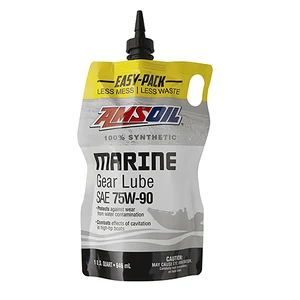
Product examples for learning—not verified vehicle fitment. Match the manual, specifications and current product guidance.
09Order preparation is different from a shipping promise
Order preparation is different from a shipping promise
The AMSOIL distribution map provides network context, while the official locator supplies current facility information. It does not assign New Jersey customers a fixed warehouse or guarantee an arrival date. For a particular order, review the destination, exact products, quantities and checkout information before discussing availability. A Pennsylvania map marker that appears close is not sufficient evidence of the shipment's origin or speed. This page does not establish New Jersey retail stock or a pickup counter. Kyle's online guidance belongs to the independent Dealer role and is separate from corporate facility operations. If a customer is planning scheduled service, encourage an early product-list review so uncertain applications can be resolved. Clear order preparation is a useful commitment without implying control over warehouse decisions or making unsupported delivery promises.
New JerseyStates → dealer guides · ★ → distribution centers
Stars show approximate distribution locations, not exact street coordinates. Alaska and Hawaii are inset. Choose a state for its dealer guide or a warehouse card or star for its official address.
10Engine hours can support an earlier conversation
Engine hours can support an earlier conversation
For equipment that records operating hours, the planner can estimate a useful contact window. Suppose the customer's documented maintenance plan leaves 50 operating hours until a service point and expected use is 10 hours weekly. The calculation suggests five weeks. These numbers illustrate planning arithmetic and are not recommended oil-change intervals for any machine. The actual instructions may include calendar limits or conditions requiring a different schedule. Ask for a current reading and the source of the service target before entering figures. A Dealer may offer, with permission, to check product information before the estimated date. Revisit the forecast when workload changes. Keep the result separate from mechanical diagnosis and oil-selection decisions so a helpful reminder never becomes a substitute for the equipment's real requirements or appropriate technical guidance.
AT THIS WORKLOAD
4.0 weeksuntil your entered hour limit
20.0 hours per week · 80 hours remaining
Remaining hours ÷ operating hours per week. Follow the earlier of the applicable time, mileage or hour limits. Break-in service and severe-use requirements can change the schedule.
11A small business plan needs time and evidence
A small business plan needs time and evidence
Choose a first audience and set a realistic weekly allowance for learning, research and responses. A New Jersey prospect may find that customer visits require more time than map distances suggest, while fleet questions can involve several decision-makers. Account for that work before expanding the contact list. Track actual hours, expenses and customer activity rather than estimating personal results from the number of vehicles or businesses in the area. Early goals might include completing training and creating accurate application records for interested contacts. Respect people who prefer their current supplier. Set a review point to decide whether the work fits your circumstances and whether your chosen scope remains manageable. Dealer registration is a business opportunity, and a particular level of customers, sales, income or profit is not guaranteed.
12Review registration when your service idea is clear
Review registration when your service idea is clear
The official AMSOIL Dealer program page provides the current application, agreement and support information to review. Training and no inventory requirement are relevant features when considering a modest start, while customer service and accurate application research still require regular effort. Kyle Holdridge can offer online guidance as an independent Minnesota Dealer for New Jersey prospects evaluating the opportunity. Prepare specific questions about learning resources, ordering and the audience you hope to assist. Distinguish the Dealer business role from buying products only for personal use, since those decisions involve different goals. If you proceed, give registration a practical next step: scheduled study and a manageable way to respond to customer questions. Build your expectations from actual work and learning, with records that help you evaluate the business as experience develops.