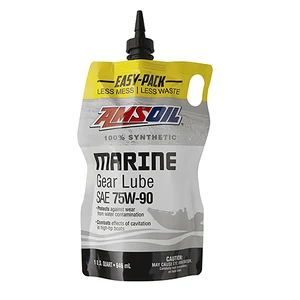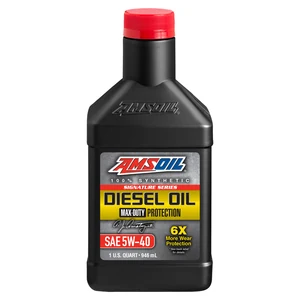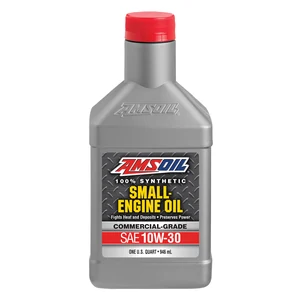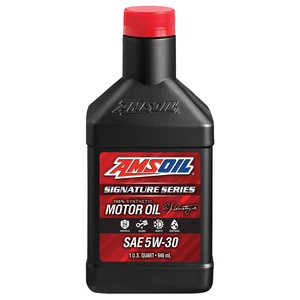








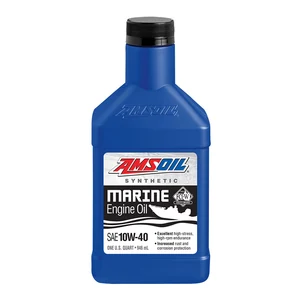
AMSOIL 10W-40 100% Synthetic Marine Engine Oil
Product Code : WCFQT-EA
Read Reviews Ratings & reviews from AMSOIL.com
Product-family totals · Checked Oct 20, 2026
SEE PRODUCT PRICEVIEW DETAILSProduct-family totals · Checked Oct 20, 2026
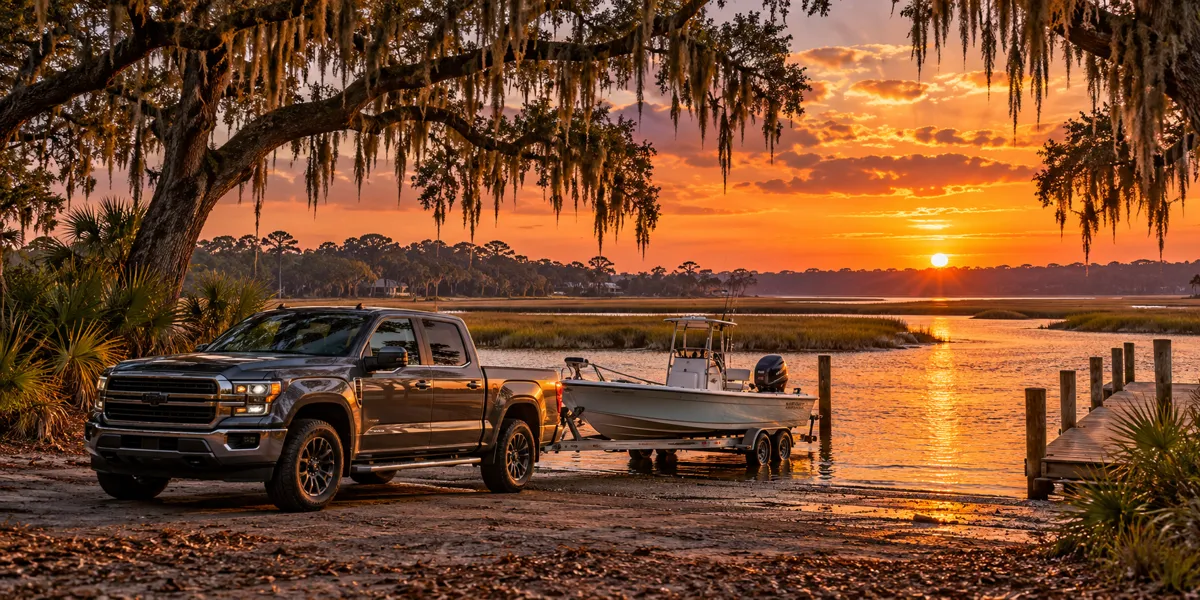
Signup as an AMSOIL Dealer in South Carolina. A South Carolina dealership can begin with a clear understanding of whom you want to help and what questions you can answer reliably. The state offers very different conversations around coastal boating, Upstate travel and equipment used to maintain growing communities. Choose a familiar audience before trying to cover every lubricant category. Your role is to connect a documented application with appropriate information and an orderly buying process. Kyle Holdridge is an independent AMSOIL Dealer based in Minnesota who provides online help; this guide does not describe a South Carolina shop. Use the regional examples to develop your own approach, then study the current official Dealer agreement and training. A practical beginning is a short list of owners you already understand and time reserved for learning.
A prospective dealer near Charleston or Beaufort might start by learning how boat owners organize preseason maintenance. Ask whether the owner needs help with an outboard, an inboard, a gearcase or the vehicle pulling the trailer. Those are separate applications, even when they appear on one shopping list. Build an intake sheet that records the exact engine, component and required specification before discussing a product family. Some owners maintain equipment themselves; others want their service provider involved. Respect that difference and offer documentation that can be shared with the technician. A useful educational conversation might explain why four-stroke marine oil and marine gear lubricant occupy different categories. Avoid turning a waterfront audience into a blanket fitment claim or suggesting that every boat needs the same grade.
Product Code : WCFQT-EA
Product Code : AGMTB-EA
Product Code : DEOQT-EA
South Carolina's NOAA climate summary describes hot, humid summers and generally mild winters, with colder conditions possible inland and at elevation. Coastal weather also differs from the northwestern uplands. For dealer planning, this suggests useful seasonal topics rather than a statewide oil prescription. Schedule learning about mowing equipment before its busy period and discuss storage with owners whose boats sit between trips. Ask about calendar limits as well as hours. Humidity alone does not identify an engine's viscosity requirement, and a storm-related water problem deserves inspection rather than a speculative lubricant remedy. Make the distinction clear when preparing educational posts. The best local weather discussion ends with the owner's manual and actual operating pattern, not an unsupported heavier-oil recommendation for every summer vehicle.
South Carolina descends from a small mountain region through the Piedmont to the Coastal Plain. A dealer serving owners around Greenville may hear about grades and towing, while a coastal contact may describe launch ramps and short trips. Use those differences to improve your questions. Determine what the machine carries, whether it uses unpaved access and which components the owner plans to service. A pickup's engine, axle and trailer hubs belong on different lines of the worksheet. The route helps explain the work without establishing a lubricant specification. For a new dealership, this is also a sensible way to limit territory: learn one area's uses thoroughly before committing travel time across the state. Online follow-up can continue the discussion after the owner supplies accurate equipment information.
Darlington Raceway maintains an official event calendar that South Carolina racing fans can consult for current activities. It is a research starting point for a prospective dealer interested in motorsport communities, not permission to sell at the venue. Confirm organizer rules before planning any display or business activity. As a spectator, listen to the difference between a fan's road car, a competitor's built engine and a support vehicle. Ask which maintenance information people find difficult to locate. Offer to follow up with the relevant official product documentation when invited. Avoid assuming that a race-oriented formula suits ordinary road use or that a familiar venue endorses your dealership. A small number of careful, permission-based conversations can teach more about an audience than distributing broad promises to everyone attending.
Product literacy should be part of your work before registering your first customer. Learn how viscosity, performance standards, component requirements and intended use appear in AMSOIL information. Signature Series passenger-car oils, Small-Engine Oil and marine products provide useful examples of different application families. Their names are starting points for investigation rather than confirmation that they fit an unknown machine. A landscape operator's mower can have requirements unlike the truck carrying it, even when both have gasoline engines. Save the exact product code and the documentation supporting a recommendation. If a manual and lookup appear inconsistent, resolve the discrepancy before encouraging an order. Being comfortable saying that more identification is needed helps build a dealership around accuracy instead of confidence unsupported by the equipment details.
Around Columbia and expanding Upstate communities, a landscape business is a possible audience to investigate if you understand its work. Begin with the maintenance decision maker and ask how equipment records are maintained. A crew may use several mower models, handheld two-stroke equipment and tow vehicles with different service needs. Do not propose one oil for the entire operation. An introductory review can identify missing model numbers, distinguish premix instructions from four-stroke requirements and record service quantities for later verification. The dealer's contribution is useful product information and clear ordering support; mechanical inspection belongs with the appropriate service provider. Establish whether the business is researching purchases for its own equipment or wants to resell products. That purpose affects which official account information should be reviewed before choosing a registration path.
Product Code : ASEQT-EA
Product Code : ASLCN-EA
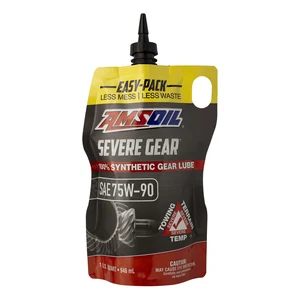
Product Code : SVGPK-EA
An hours-based example can make a small-engine discussion concrete without prescribing maintenance. Suppose a customer's record shows 180 current hours and a separately established service reading of 240 hours. At an estimated 15 operating hours each week, the planning tool calculates four weeks to that reading. The example does not establish that 240 is an appropriate service point or authorize any interval extension. Have the owner supply the relevant manual, calendar limit and service history. If rainfall reduces work or the operator adds a second shift, revise the usage assumption. A prospective dealer can use the resulting estimate to schedule a requested reminder and check product availability in advance. Keep the tool's arithmetic separate from technical maintenance decisions, and record the assumptions so later follow-up remains understandable.
A South Carolina contact may ask whether an order comes from a nearby warehouse or whether pickup is possible. Answer with the current official AMSOIL distribution information and the actual ordering options shown for that account. The map is a way to explore locations, not a guarantee of inventory, shipping territory or arrival time. Confirm the product code, package quantity and delivery address before discussing timing. If a customer has a fixed service appointment, allow room to check availability rather than promising delivery from geographic proximity alone. Kyle's Minnesota-based independent dealership provides online assistance; a corporate distribution center is a separate operation. Keeping those roles clear helps customers know where to ask an application question, where to place an order and how to verify a location before traveling.
Stars show approximate distribution locations, not exact street coordinates. Alaska and Hawaii are inset. Choose a state for its dealer guide or a warehouse card or star for its official address.
Choose one initial South Carolina audience and write a business plan around learning and service. For example, a boating-focused start might reserve time for marine product study, several owner interviews and a simple equipment worksheet. Include the expenses and hours you expect to commit, then compare them with the activity you actually complete. Record inquiries, accurate product matches and follow-ups requested by customers. Sales outcomes depend on your work and circumstances; registration does not guarantee earnings. Avoid buying stock simply to make the business feel established. AMSOIL describes a Dealer option without an inventory requirement, allowing you to review how ordering can support your approach. Expand your scope only when you can handle additional applications and customer questions with the same care as your first audience.
Before promoting widely, build a short reference routine you can repeat. Read a product data sheet, practice the vehicle lookup with known equipment and check your answer against its manual. Keep a record of questions that need official clarification. Then prepare a plain explanation of the independent Dealer role and how it differs from an account used primarily to purchase products for personal use. Kyle Holdridge can help online with orientation, while the current AMSOIL materials define the program. Video-based training is available through the official opportunity information; make room to use it rather than relying entirely on a sponsor conversation. For South Carolina, work through one boat example and one mower example so your initial education reflects two different applications rather than memorizing a single sales pitch.
If the South Carolina audience and responsibilities fit your goals, review the official AMSOIL Dealer registration page. Read the current agreement, account terms and application instructions before submitting information. Use your own contact details and a business approach you can explain clearly. The Dealer path is intended for building an independent selling business; someone who mainly wants products for personal equipment should compare the relevant customer option instead. Keep a copy of the confirmation and set aside time to explore the tools and training provided after registration. Kyle Holdridge, an independent Dealer in Minnesota, can offer online help as you get oriented. Your next useful step is to complete product learning and answer an actual customer's documented question carefully, then build a repeatable service routine from that experience.
 Explore official AMSOIL Dealer registration ↗
Review current account offers and eligibility.