Become an AMSOIL Dealer in Idaho by deciding which equipment owners you can help consistently and what questions you can answer accurately. A Treasure Valley commuter, a northern Idaho recreation household and a farm operator may all buy lubricants, but they bring different purchasing habits. Your first business decision is choosing a manageable audience, then learning its applications before presenting products. Kyle Holdridge, an independent AMSOIL Dealer based in Minnesota, offers online guidance for prospective Idaho dealers. That support can help organize enrollment questions and an initial learning plan. It does not establish an Idaho counter or promise a customer base. Begin with a short written purpose: whom you hope to serve, how you will communicate and which product questions require further research before you make a recommendation.
Idaho's inland location produces substantial temperature differences between winter and summer. NOAA's state summary also distinguishes the comparatively dry southern valleys from wetter northern and central mountains. A dealer can use those differences to plan educational conversations without pretending that weather selects an oil. Ask whether equipment stays in a valley, travels into higher country or sits outdoors between jobs. Those answers help determine which manufacturer temperature guidance to review and when customers might prepare seasonal equipment. Schedule a winter readiness discussion before snow work begins and a separate recreation checklist before summer travel. Keep each message focused on an owner's actual machine. A cold start story may open the conversation, but the engine model, approved viscosity and relevant performance specifications should determine the product comparison you provide.
03Understand the journey beyond the Snake River Plain
Understand the journey beyond the Snake River Plain
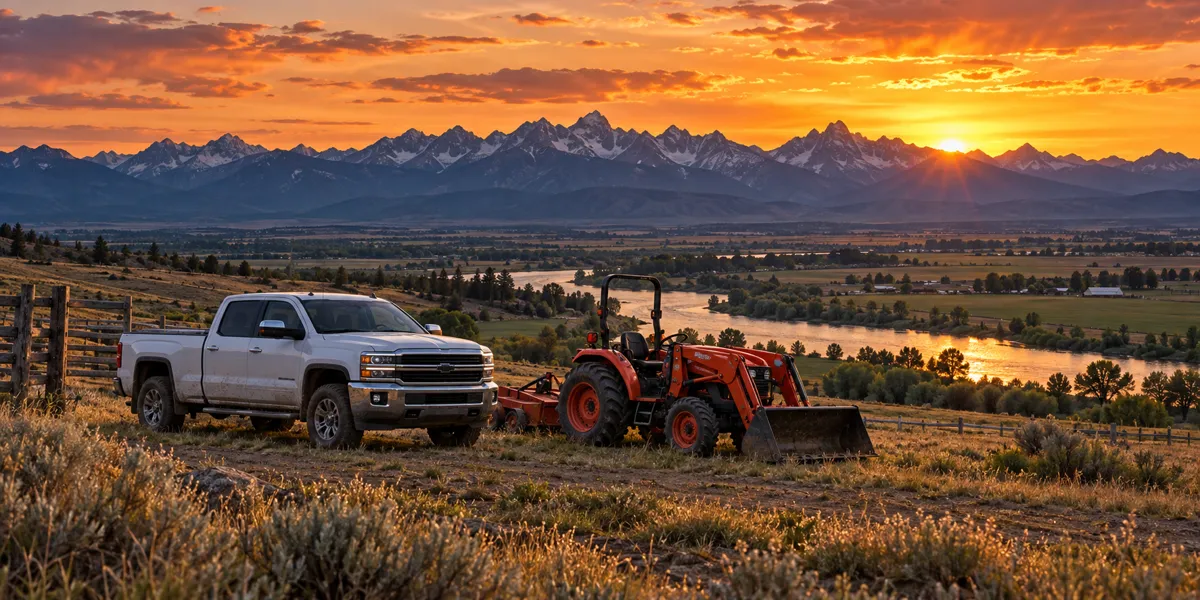
The Snake River Plain, wooded northern country and central mountain routes create different opportunities to understand customer workloads. An owner might drive mostly on pavement yet tow through grades to reach a cabin or trailhead. Another may make short rural trips between equipment sites. Instead of labelling all Idaho travel rugged, ask where the vehicle operates, what it carries and which components are being serviced. Make a simple route note in the customer record alongside the equipment details. This gives future conversations useful context and prevents the landscape from becoming an unsupported sales claim. Mountain scenery cannot verify an engine oil, axle lubricant or transmission fluid. Your value is translating the owner's description into sensible questions and then checking each requirement against current technical information before suggesting an application.
Lawn-care and landscaping businesses · illustrative artwork
04Serve agricultural owners with an equipment worksheet
Serve agricultural owners with an equipment worksheet
Agricultural customers around the Snake River Plain may manage road vehicles alongside pumps, compact machines and other powered equipment. Treat the collection as several applications, not one farm account with one universal oil. Offer to help build a worksheet showing the installed engine, component, required specification, capacity and next service trigger for each machine. Ask which person approves purchases and who actually performs servicing; those may be different people. A useful dealer follows the information between them without creating extra work. Start with a single verified application and expand only as records become reliable. Seasonal urgency makes clear ordering details particularly valuable. Avoid making downtime savings or productivity promises you cannot substantiate. Demonstrating careful product identification is a practical way to establish trust before asking for a broader purchasing relationship.
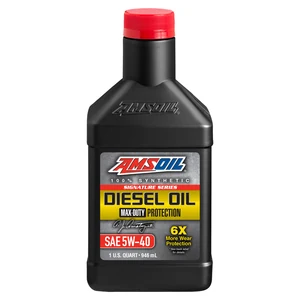
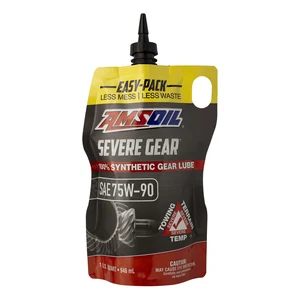
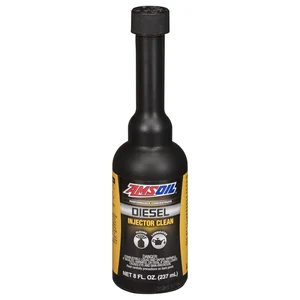
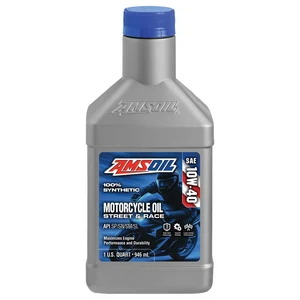
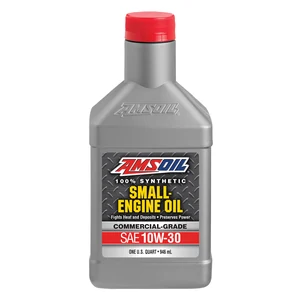
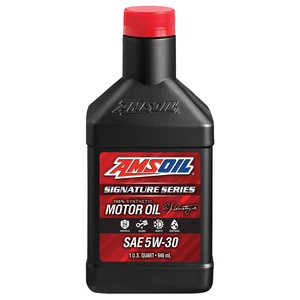
Product examples for learning—not verified vehicle fitment. Match the manual, specifications and current product guidance.
05Help recreation households separate their machines
Help recreation households separate their machines
A northern Idaho household may own a tow vehicle, an ATV, a motorcycle and a snow machine. The familiar brand on a bottle does not make its contents suitable across that collection. Your educational opportunity is helping owners distinguish four-stroke engine oil, two-stroke oil, gearcase lubricant and wet-clutch requirements. Ask for photographs of model plates and the relevant manual pages before discussing a product family. Suggest a separate service card for every machine and record how the owner prefers to reorder. A helpful first conversation might address the tow vehicle while leaving an unfamiliar powersports application open for research. That is a credible boundary for a new dealer. Recreational enthusiasm can sustain conversations, but thoughtful follow-through and correct documentation are what make those conversations useful to the customer over time.
06Use Meridian racing as a listening opportunity
Use Meridian racing as a listening opportunity
Meridian Speedway provides a concrete place to explore Idaho's racing community through its official race and visitor information. Read the current venue guidance before attending and ask organizers about any rules for commercial activity. Being a spectator does not confer permission to sell, display materials or approach teams in working areas. For ordinary conversations, ask what enthusiasts wish product sellers explained more clearly. You may hear about confusing terminology, ordering uncertainty or difficulty keeping several applications straight. Those are useful topics for future educational content. Keep racing engines distinct from customer road vehicles: builder requirements and competition rules can change lubricant choices. Refer to the Speedway as a community reference only. Do not imply a sponsorship, team relationship or endorsement. Follow up with interested people only after they invite further contact.
An Idaho dealer can begin product study with passenger vehicle oils, suitable diesel engine oils and selected powersports lubricants. These are categories to investigate, not a preapproved package for every local owner. For each candidate, read the current product data and compare its stated application, viscosity and specifications with the equipment documentation. Explain what is known and write down what remains uncertain. A diesel engine oil is not automatically the answer for a tractor hydraulic circuit, and an axle lubricant should not be substituted for transmission fluid. Build a reference sheet with the source and date of each check. When an engine has been replaced or modified, confirm the installed configuration. Familiarity with a few well-documented applications gives you a stronger starting point than memorizing a large catalogue of unsupported recommendations.
Product examples for learning—not verified vehicle fitment. Match the manual, specifications and current product guidance.
08Make online guidance personal and organized
Make online guidance personal and organized
Distance can shape an Idaho dealership's service approach, particularly when customers are spread across rural routes. Offer a clear way to submit equipment questions and explain what information makes an answer possible. A brief form asking for model year, engine identification, component and required specification can prevent several rounds of uncertain messages. Kyle Holdridge's Minnesota-based independent dealership offers online guidance, so clarify when you are seeking enrollment help versus application assistance. Keep personal information limited to what the task needs and avoid promising immediate responses unless you can deliver them. After researching a question, return a concise explanation with the relevant source. Close the loop even when the answer is that more identification is needed. Reliability in small exchanges helps establish your service style before you attempt to reach a much larger audience.
09Plan ordering before offering a delivery promise
Plan ordering before offering a delivery promise
AMSOIL's official distribution directory is the place to check corporate locations and current contact details. Idaho buyers can review western network locations, including Portland and Las Vegas, while recognizing that proximity does not establish fulfillment routing. Do not describe a distribution facility as your own local storefront. If collection is relevant, confirm stock and procedures directly before anyone travels. For online orders, check the actual ordering information rather than inventing an arrival date from a map. Your dealer worksheet should capture product code, package size, quantity and destination. Read those details back before an order is placed. Rural customers may appreciate a reminder well before a planned service, but let their documented needs determine timing. This practical discipline gives your business a useful role without relying on speculative shipping promises or unnecessary stock purchases.
Stars show approximate distribution locations, not exact street coordinates. Alaska and Hawaii are inset. Choose a state for its dealer guide or a warehouse card or star for its official address.
Use the engine-hours tool to discuss scheduling with an owner of a pump, mower or other hour-based machine. Enter the present meter reading, the already established service-due reading and expected weekly use. If the meter shows 280 hours, service is due at 320 and use averages 10 hours weekly, the remaining 40 hours represent about four weeks. Explain that the tool converts an existing requirement into a planning estimate; it does not select an oil-change interval or authorize extending one. A seasonal increase to 20 hours weekly would halve that estimate. Record any applicable calendar limit separately and use the earlier relevant trigger. For dealer planning, this can support an agreed reorder reminder. Recheck the inputs with the owner before treating the estimate as a dependable date for supplying products.
AT THIS WORKLOAD
4.0 weeksuntil your entered hour limit
20.0 hours per week · 80 hours remaining
Remaining hours ÷ operating hours per week. Follow the earlier of the applicable time, mileage or hour limits. Break-in service and severe-use requirements can change the schedule.
11Test a small business routine before broad outreach
Test a small business routine before broad outreach
For your first month, choose one agricultural or recreation audience and a realistic block of weekly time. Set process goals you control: complete product study, organize several equipment records, answer questions accurately and ask whether follow-up was useful. Track time spent on research, administration and conversations so that your plan reflects the work involved. Avoid treating enthusiasm or social media views as evidence of dependable demand. You can refine your audience after seeing which questions recur and which support tasks you can handle well. Decide whether your preferred approach is online education, individual referrals or permitted event activity, then keep the initial experiment focused. Review your results without an income assumption. A sustainable Idaho dealership begins with a repeatable service habit and informed customer interest, not a promise about how quickly sales will appear.
12Review the official program and register
Review the official program and register
When you are ready to move forward, open the official AMSOIL enrollment page and review the current Dealer program information before entering your details. AMSOIL describes optional stockholding and offers video learning for dealers, so a warehouse purchase need not be your first business decision. Focus instead on understanding the agreement, available support and the responsibilities you are accepting. Keep your initial customer audience and learning questions nearby while reviewing the process. Kyle Holdridge can provide online guidance from Minnesota as an independent Dealer if you need help organizing those questions. Use the official registration link for enrollment rather than sending personal application details through an informal message. After registering, choose a first training topic, document one suitable application and establish a manageable follow-up routine. Those actions give your Idaho plan a concrete beginning.