Become an AMSOIL Dealer in Iowa with a practical service idea you can explain in a sentence. Perhaps you want to help agricultural owners organize approved products or help enthusiasts distinguish their road vehicles from competition equipment. Start with one need and learn it carefully before expanding. Kyle Holdridge, an independent AMSOIL Dealer based in Minnesota, offers online guidance to prospective Iowa dealers. His support can help you prepare enrollment questions and a learning routine; it does not establish a local Iowa store. The business starts with your ability to listen, identify an application and follow through. Write down the audience you understand best, the questions you cannot yet answer and the time you can reliably set aside. That preparation makes registration part of an informed plan instead of a substitute for one.
02Respect the agricultural customer's narrow work window
Respect the agricultural customer's narrow work window
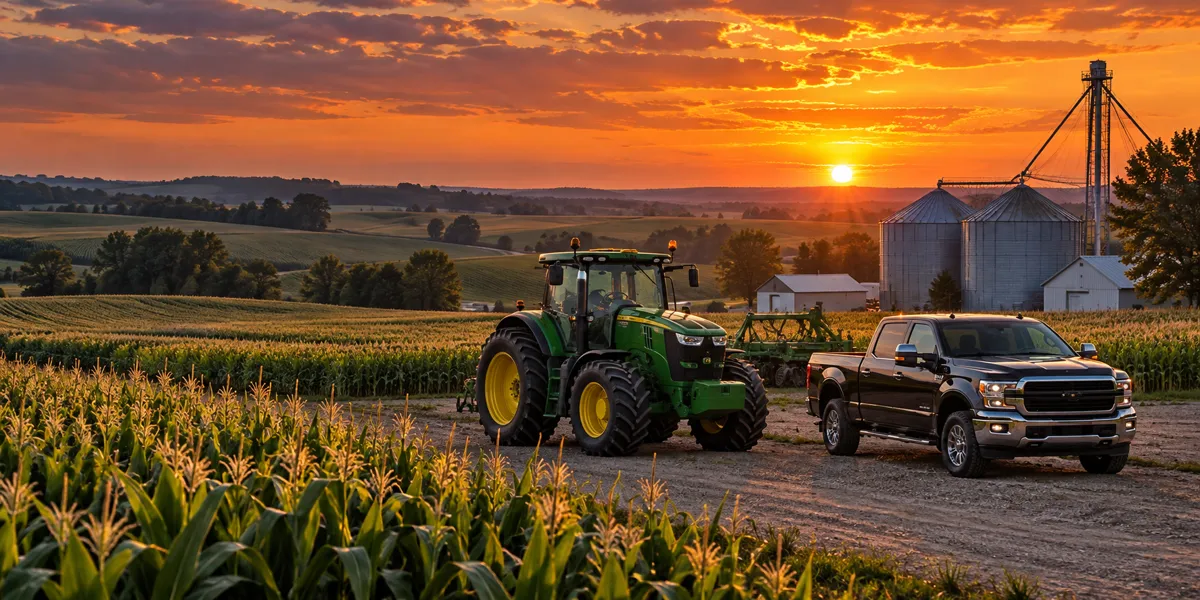
An agricultural owner in central or northern Iowa may have a well-developed maintenance routine and little interest in a broad sales presentation. Ask where the present purchasing process becomes inconvenient or uncertain. A specific machine, confusing specification or frequently repeated order may provide a useful starting point. Help document the installed engine, component requirements and exact product identifiers before proposing an option. Field machinery, pickups and four-stroke support equipment should remain separate applications even when the same person buys supplies for all of them. Find out who services the equipment and how they receive approved product information. Clear handoffs can prevent a correct recommendation becoming a mistaken purchase or fill. Build the relationship around one verified need, then let the owner's experience determine whether it makes sense to review a larger equipment list together.
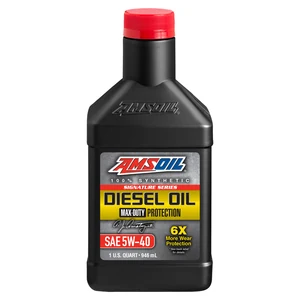
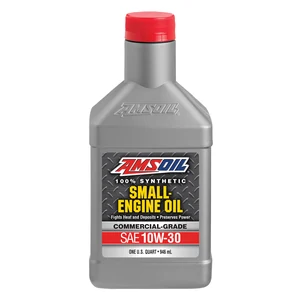
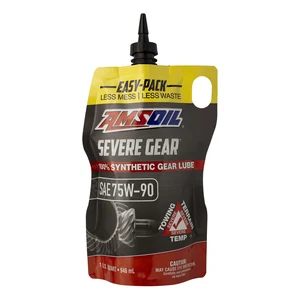
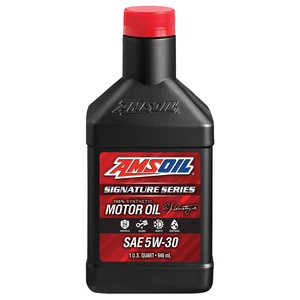
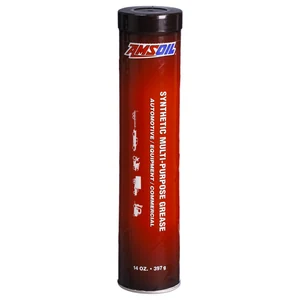
Product examples for learning—not verified vehicle fitment. Match the manual, specifications and current product guidance.
03Plan conversations before the weather opens a work window
Plan conversations before the weather opens a work window
Iowa's inland climate brings cold winters and warm summers, while precipitation can strongly influence the timing of outdoor work. NOAA's state summary describes variability that includes wet periods, drought and flood impacts. A dealer can respond with useful timing: invite owners to review requirements while equipment is available rather than waiting for the busiest week. Seasonal preparation messages should lead toward the manual and current product data, not claim that a weather pattern proves product suitability. Ask about anticipated temperatures, storage and actual operating conditions. Keep the communication modest and specific, such as a reminder to identify the engine before ordering. Avoid treating a hot afternoon as a reason to select an unapproved grade. Climate provides context for preparation, while the owner's equipment documentation supplies the standards that must guide a lubricant comparison.
04Connect with racing interests through official venues
Connect with racing interests through official venues
Travel Iowa identifies Knoxville Raceway and Iowa Speedway among the state's racing destinations. That gives a prospective dealer two distinct starting points for understanding enthusiast interests without claiming access to either venue's customers. Follow current official information for visit planning and ask organizers about permission before considering commercial activity. Attend with questions about what owners find difficult when evaluating lubricants and maintaining several machines. Some may be interested in race machinery; others may have ordinary tow-vehicle or daily-driver questions. Do not collapse those into one recommendation. Competition engines can follow different builder requirements and service practices. Mention the venues as local context only, without suggesting sponsorship, product use or endorsement. When someone requests further help, take the application details and return an answer grounded in documentation rather than a comparison based on a competitor's bottle or decal.
Rolling farmland, river corridors and the western Loess Hills give Iowa more route variety than the idea of a uniformly flat state suggests. For a dealer, the useful step is asking customers how that landscape connects to their work. Does a pickup tow between sites? Are equipment approaches dusty or muddy? Does a vehicle spend long periods running without covering much road distance? Record the answers as context for the manufacturer's maintenance guidance. Do not use geography to declare a particular oil mandatory or to classify every owner as severe service. Your intake process should identify what the customer actually does and which component is being discussed. That information also helps you develop more relevant educational material. A single well-explained example of mixed road and equipment use can be more useful than broad claims about Iowa driving.
06Reach grounds crews with a clear first offer
Reach grounds crews with a clear first offer
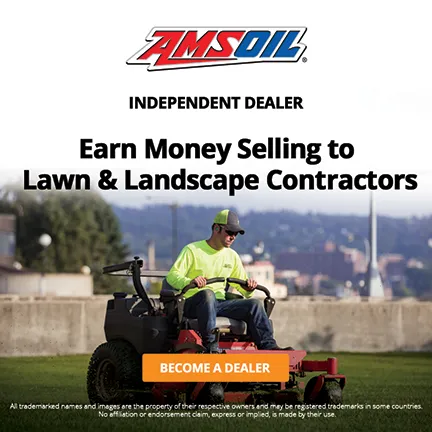
Grounds crews and small property-service businesses around Iowa communities may operate mowers, utility equipment and road vehicles in the same week. Offer a first conversation about organizing the equipment list rather than replacing every product they use. Ask for engine model details and separate road-mile records from hour-based maintenance. A mower engine can differ from its original machine documentation if it has been replaced, so confirm what is installed. Help the customer identify where approved requirements are recorded and who needs access to them. Small-engine oils and suitable vehicle lubricants may become research topics, but each candidate must be checked individually. The goal is making a routine task easier to perform correctly. Establish a comfortable follow-up method and let the business decide which applications deserve attention after it sees the value of your initial work.
Lawn-care and landscaping businesses · illustrative artwork
07Build a reference library from verified applications
Build a reference library from verified applications
Your early product learning should produce usable records rather than a long list of remembered names. For each Iowa application you research, save the equipment identification, manual requirement, current product source and reason the candidate may be suitable. Compare viscosity and performance specifications separately, and include any additional component requirements. AMSOIL diesel engine oils, passenger vehicle oils, small-engine oils and gear lubricants are possible areas of study. A hydraulic circuit is not covered simply because a tractor's engine has been matched. If the requirement is incomplete or unfamiliar, obtain clarification before recommending a purchase. Review the date on your source whenever an application returns. This builds a reference library around real needs and makes future conversations more efficient. It also gives you a disciplined way to explain an answer without implying catalogue-wide fitment knowledge you have not established.
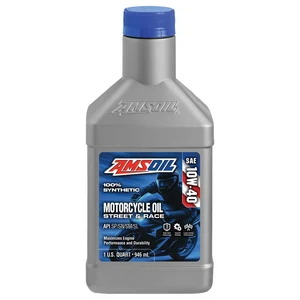
Product examples for learning—not verified vehicle fitment. Match the manual, specifications and current product guidance.
08Make remote questions easy to answer accurately
Make remote questions easy to answer accurately
An Iowa customer should not need to know lubricant terminology before asking for help. Provide a short request format that asks for the machine, installed engine, component and the relevant manual page. Photographs can help with identification, but do not guess when a label is unreadable. Tell the customer which detail is missing and why it matters. Kyle Holdridge offers online guidance from Minnesota for prospective dealers, and official AMSOIL materials can support your continued learning. Set your own response expectations around the hours you actually have available. Keep a list of open questions and agreed follow-ups so that remote conversations remain dependable. When you share an answer, include a brief explanation and the source used. Ask whether the information resolved the original problem before introducing additional products or suggesting a broader account discussion.
09Use a verified order list instead of a warehouse assumption
Use a verified order list instead of a warehouse assumption
AMSOIL's distribution locator includes Chicago-area and Superior, Wisconsin facilities within its corporate network. Iowa dealers can use that directory for current location information without promising which facility will handle an order. Availability, collection procedures and shipment information should be confirmed through the appropriate official process. Before anyone plans a pickup, check the details directly. For customers working around short seasonal windows, your most useful contribution may be a completed order list prepared in advance. Include the exact product, package size, quantity and confirmed application. Keep similar grades from becoming interchangeable shorthand in messages. Ask the customer to review the list before purchase and use the actual ordering information for delivery planning. This supports a reliable business routine without presenting your dealership as a local warehouse or implying that geographic proximity guarantees immediate supply.
Stars show approximate distribution locations, not exact street coordinates. Alaska and Hawaii are inset. Choose a state for its dealer guide or a warehouse card or star for its official address.
Consider an Iowa mower with a current reading of 390 hours and an established service point at 450 hours. The engine-hours tool shows 60 hours remaining. At 12 hours per week, that represents about five weeks; a busier schedule of 20 hours weekly brings the estimate to about three. Confirm that the due reading comes from the applicable maintenance guidance before using it. The tool does not recommend an oil interval, assess engine condition or replace any calendar limit. A dealer can use the estimate to arrange an invited reminder and check that the product list is ready. Record the expected use and update it when the work changes. If several people operate the mower, ask who can provide the latest reading. Accurate inputs make the reminder useful; a confident date based on stale figures does not.
AT THIS WORKLOAD
4.0 weeksuntil your entered hour limit
20.0 hours per week · 80 hours remaining
Remaining hours ÷ operating hours per week. Follow the earlier of the applicable time, mileage or hour limits. Break-in service and severe-use requirements can change the schedule.
11Choose evidence of useful service for your first review
Choose evidence of useful service for your first review
Set a short initial Iowa business plan around activities within your control. Choose one audience, a realistic weekly time commitment and a small group of product topics to learn. Measure completed application records, answered questions and follow-ups that customers requested. Keep track of time and expenses so that your next decision reflects the real work involved. A farming region or racing community may offer conversation opportunities, but its existence does not establish demand for your service. Ask what customers found helpful and where your explanation caused confusion. Use those observations to refine your outreach and study routine. Avoid expanding merely because a broad audience is available online. A focused trial makes it easier to determine whether your approach fits your interests, available time and the practical needs of the people you hope to serve.
12Review enrollment with your first service goal in mind
Review enrollment with your first service goal in mind
Open the official AMSOIL Dealer enrollment page when you are prepared to review the current program information and agreement. Bring the questions raised by your Iowa business outline, including how you intend to learn products and support customers. AMSOIL describes a program without mandatory inventory purchases and with video resources for dealer learning. You can therefore begin by developing knowledge and a service routine before deciding whether any stock would be useful. Kyle Holdridge can offer online guidance from his independent Minnesota dealership while you organize those next steps. Submit personal enrollment information through the official form and keep the current program materials available for reference. After registering, complete one product-study task and prepare one accurate customer worksheet. Those concrete actions connect the signup decision to the useful service you want your dealership to provide.