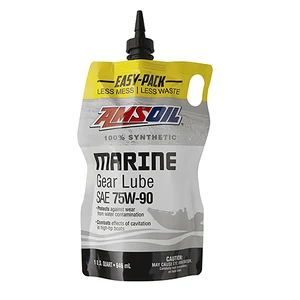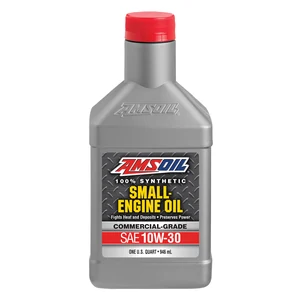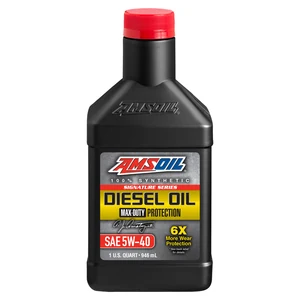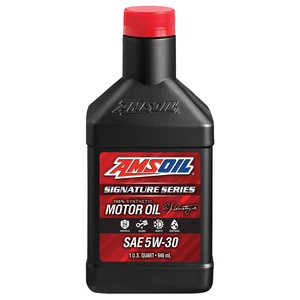








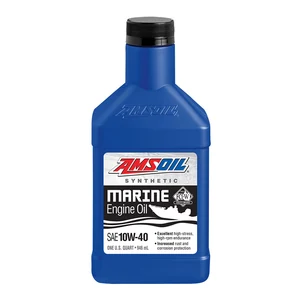
AMSOIL 10W-40 100% Synthetic Marine Engine Oil
Product Code : WCFQT-EA
Read Reviews Ratings & reviews from AMSOIL.com
Product-family totals · Checked Oct 20, 2026
SEE PRODUCT PRICEVIEW DETAILSProduct-family totals · Checked Oct 20, 2026
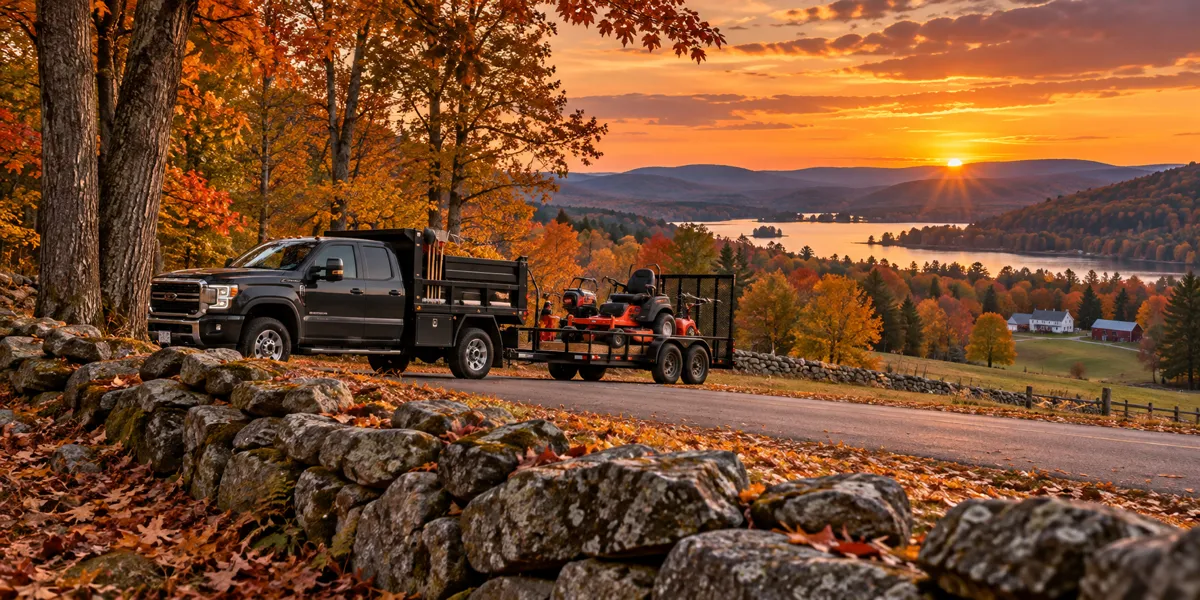
Signup as an AMSOIL Dealer in Connecticut with a service idea that fits the customers you already understand. The state brings together busy commuting corridors, inland property ownership, collector-car interests and boating along Long Island Sound. Those connections can generate useful questions, but each needs its own equipment details and product research. An independent Dealer's work includes listening, locating reliable information and following up when promised. This guide focuses on those habits and the official enrollment process. Kyle Holdridge is an independent AMSOIL Dealer based in Minnesota who helps Connecticut applicants online. His assistance is remote, with no Connecticut storefront implied. Before registering, think about the audience you can serve consistently and the study time you can maintain. A clear, modest beginning is more useful than assuming every automotive interest will automatically become a business.
Lime Rock Park connects Connecticut road racing with car gatherings, driving activities and automotive history. Its official information is the appropriate starting point for current events and visitor details. A Dealer prospect can use an authorized visit to hear how owners describe stock road cars, modified vehicles and competition machines. Those distinctions are especially useful when learning why a product search needs more than a model name. If a collector engine has been rebuilt, its current hardware may require additional guidance. Ask the organizer before arranging any display or commercial activity, and request permission before contacting an enthusiast afterward. Mentioning Lime Rock does not imply venue endorsement or AMSOIL sponsorship. The practical opportunity is to develop better questions and learn which owners want researched assistance, then verify any technical answer against information appropriate to the machine.
Connecticut has warm summers and cold winters, with local differences influenced by the coast and inland elevations. Snow, rain and temperature changes affect equipment use, while some machines spend substantial periods stored. A Dealer should ask whether a vehicle runs regularly through winter or returns to service only in warmer months. Those patterns can lead the owner to different parts of the manufacturer's schedule and storage guidance. Do not establish an interval from mileage alone or assume that a premium product removes calendar limits. Educational material can help owners locate required viscosity and specification information alongside inspection instructions. It should not imply that a lubricant fixes a weak battery, neglected cooling system or deteriorated seal. Seasonal context is useful for asking what needs attention before product selection, not for diagnosing an unseen machine.
Along Long Island Sound, a household may combine a daily vehicle, tow vehicle, trailer and boat. A new Dealer can offer useful help by keeping those application questions separate. Ask which engine or component is being serviced and gather the exact model information before researching supplies. Four-stroke marine engine oil, two-stroke oil and lower-unit lubricant are different categories. Trailer requirements add another record rather than inheriting the boat's specifications. This audience may suit someone who already understands seasonal launching and storage routines, but that experience should lead to careful questions rather than assumptions. Offer a focused follow-up about one planned service and respect the customer's preferred timing. Mechanical inspections and water-contamination concerns belong with the appropriate service professional. Your role is to help the owner navigate product information and ordering accurately when that assistance is requested.
Product Code : WCFQT-EA
Product Code : AGMTB-EA
Product Code : ASEQT-EA
Connecticut's inland uplands, river valleys and Long Island Sound coastline connect distinct driving and equipment settings over comparatively short distances. A vehicle can alternate between hilly roads, urban traffic and a boat-ramp trip without accumulating a large annual mileage total. Ask about those uses when helping an owner gather maintenance information. Towing brings transmission and axle questions, while property equipment may rely on operating hours rather than distance. None of these settings establishes a universal Connecticut service interval. For a Dealer, the useful business insight is that a geographically small audience can still contain many application types. Keep a structured inquiry form so familiarity with a customer's town does not replace the details of their machine. Build educational topics around actual tasks, such as preparing several pieces of equipment for one outing or maintenance weekend.
A collector car's original model year may not fully describe the engine installed today. Rebuilds, modifications and component changes can affect what information is needed before a product recommendation. Learn to ask about those details instead of assuming every older vehicle has the same lubricant requirement. For stock vehicles, the official AMSOIL lookup is a useful research resource alongside the manufacturer's requirements. Viscosity is only one element of the decision; performance specification and the component being serviced also matter. Possible product families should remain research options until the actual application is identified. When an answer needs engine-builder guidance, explain that clearly. A Dealer who documents uncertainty provides a better service than one who fills the gap with a confident generalization about classic cars, racing or what another owner happens to use.
AMSOIL's Dealer information describes video-based training and corporate support. Use those resources to learn both the program and the practical steps behind a customer answer. A Connecticut applicant might begin by practicing one stock-vehicle lookup, then learning where to verify an ordering or account question. Keep notes on the source, equipment details and any issue still unresolved. Kyle Holdridge provides online assistance from Minnesota and can help applicants find the official enrollment route and learning material. He should not be presented as a Connecticut shop or local warehouse. The program says inventory is not required, giving you room to understand customer ordering before deciding whether stocking products suits your situation. Training still requires your attention and time. Build that commitment into the business plan before promising a broad range of assistance to prospective customers.
Inland Connecticut households may maintain small engines, utility machines and vehicles used to transport equipment. This is a different audience from coastal boating owners, even when one person participates in both settings. Begin with the next planned maintenance task and ask for the machine's engine identification. A mower and portable generator that look similar in size may still require different information and service schedules. Help the owner keep the records clear rather than encouraging consolidation by appearance. A Dealer who already knows local property activities can frame useful educational material around gathering manuals and checking supplies before a busy weekend. Avoid diagnosing unusual consumption or leaks through a sales conversation. Refer those concerns appropriately, then return to product research when the service requirements are established and the owner actually wants your assistance.
Product Code : DEOQT-EA
Product Code : ASLCN-EA
Product Code : SVGPK-EA
The engine-hours planner can help a Connecticut property owner see why infrequent travel does not measure a machine's workload. Have the owner provide the applicable service threshold, present meter reading and expected weekly operation. The tool estimates the time until that chosen threshold, which may help organize a future supply request. Demonstration numbers are illustrative inputs, not suggested oil-change intervals. Calendar limits and storage procedures remain important, especially when a machine sits through part of the year. For a Dealer, the conversation teaches you how the customer plans work and where information is missing. Save the assumptions so the calculation can be reviewed when usage changes. It does not judge oil condition, account for every operating category or authorize extending service because the owner is considering a synthetic formulation.
Use the official AMSOIL directory to research distribution resources available to Connecticut customers. A location elsewhere in the Northeast may be a useful reference, but a nearby map point does not establish a customer's shipment origin, delivery date or pickup eligibility. Confirm the actual arrangement through the ordering process and contact a facility before suggesting a trip. Keep a complete product list with exact identifiers and quantities for each application. This matters when a customer is combining a boat service, collector-car preparation and property-equipment work in one order. Avoid treating catalog availability as proof of immediate local stock. Since the Dealer program has no inventory requirement, an applicant can learn how fulfillment works before deciding whether to hold supplies. Accuracy about what has been confirmed is more helpful than an optimistic promise of convenience.
Stars show approximate distribution locations, not exact street coordinates. Alaska and Hawaii are inset. Choose a state for its dealer guide or a warehouse card or star for its official address.
A Connecticut launch plan might focus on one seasonal transition and one audience. You could help inland property owners prepare equipment records, or explain the information coastal boating households need before researching supplies. Decide when you will study, answer inquiries and review outstanding questions. Track completed tasks and time spent rather than assuming attendance at a car gathering produces sales. Include follow-up after an order in your workload estimate. If the same uncertainty recurs, improve your explanation or locate a better official reference before expanding outreach. Business outcomes depend on customer needs, effort and execution, so this guide makes no income forecast. A small initial routine lets you assess whether the work suits your availability. Add a second audience only when you can maintain the accuracy and responsiveness you offered the first group.
When you are ready to signup as an AMSOIL Dealer in Connecticut, follow the official enrollment link with referral number 225946. Read the current Dealer agreement and check that the program fits your intention to develop a customer business. Resolve any questions about training, account procedures and ordering before submitting the application. Kyle Holdridge, an independent Dealer in Minnesota, can assist Connecticut applicants online. His help does not create a Connecticut storefront or promise a particular sales result. After enrollment, complete introductory learning and choose one identified application to research carefully. Keep the machine details, official source and final explanation together so you can review the process. This concrete first assignment helps turn registration into a working routine that can support your chosen Connecticut audience as your knowledge develops over time.
 Explore official AMSOIL Dealer registration ↗
Review current account offers and eligibility.