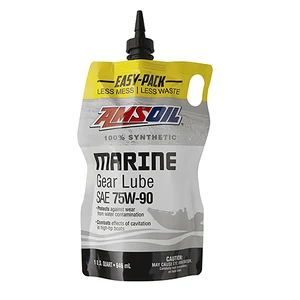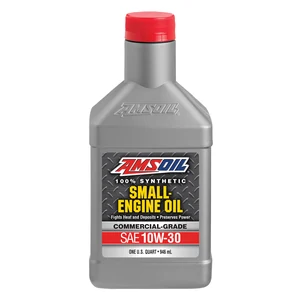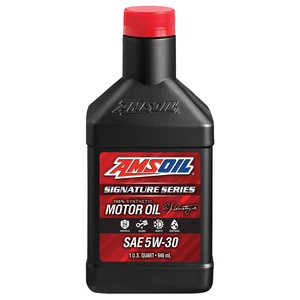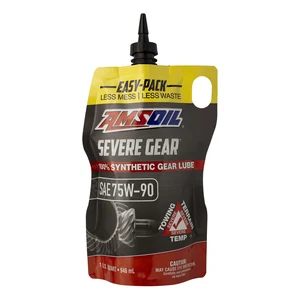








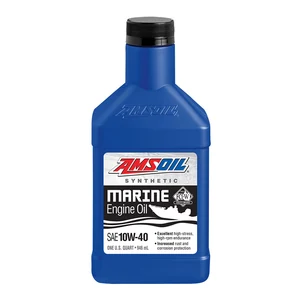
AMSOIL 10W-40 100% Synthetic Marine Engine Oil
Product Code : WCFQT-EA
Read Reviews Ratings & reviews from AMSOIL.com
Product-family totals · Checked Oct 20, 2026
SEE PRODUCT PRICEVIEW DETAILSProduct-family totals · Checked Oct 20, 2026
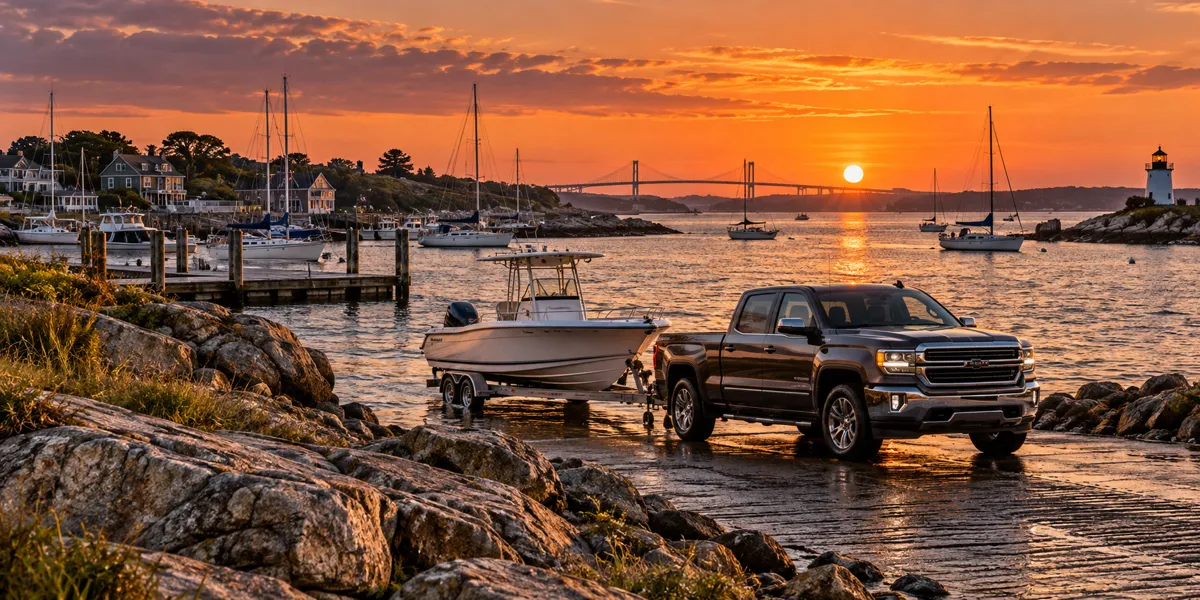
Become an AMSOIL Dealer in Rhode Island with a specific audience and a useful first task. Coastal recreation owners, property businesses and automotive enthusiasts may live close together while needing very different application research. Choose the group you understand and decide how you will respond consistently. Registration creates an independent business opportunity rather than a finished customer base or a local retail location. A modest start might involve organizing one owner's equipment records and confirming a requested product. This guide connects Rhode Island's coastal setting with practical learning, ordering and follow-up. Evaluate the time and expenses from actual work before assuming a compact geography makes the dealership easy to operate or guarantees enough demand to grow. Write down the first question you want to answer, the audience you intend to serve and a response schedule that you can realistically maintain.
A Rhode Island boating household may maintain a marine engine, gearcase, tow vehicle and small property equipment. Ask for the exact identification of each rather than assuming one owner's machines share product requirements. Help locate the relevant manuals and note which information is missing before assembling an order. Launch and storage preparation can create a natural opportunity for a requested conversation. Respect the marina or technician responsible for maintenance, and do not imply that Dealer registration qualifies you to diagnose a mechanical issue. The most useful assistance may simply be clear research and ordering records. A personal-use owner should also understand customer account choices without pressure to turn recreation interests into an independent business. Keep the initial scope manageable, check every detail and let the customer decide whether your assistance deserves a continuing place in the purchasing routine.
Product Code : WCFQT-EA
Product Code : AGMTB-EA
Product Code : ASEQT-EA
Rhode Island receives both Atlantic and continental influences, with warm summers, cold winter periods and exposure to coastal storms. Snow and temperature patterns can differ between inland and shoreline locations. Ask where equipment is stored and how often it runs before reviewing manufacturer instructions. Ocean proximity does not remove cold-start requirements, and a mild week does not cancel calendar maintenance. Stored supplies need protection from contamination, while suspected storm-related water entry calls for appropriate inspection. A lubricant purchase alone cannot resolve a flooded component. Use the climate summary as background for the conversation and ground recommendations in the identified machine. Local weather helps explain preparation needs, but it does not establish one oil grade for every Rhode Island customer. Record the conditions the owner reports and verify the relevant instructions before turning that context into a specific purchasing recommendation for the machine.
Audrain Newport Concours and Motor Week publishes official information about its automotive events and gatherings. Check the current organizer details for access and participation before planning attendance or promotion. Collector vehicles can have very different lubrication requirements depending on age, restoration and internal changes. Ask which engine and component a question concerns and whether builder records exist. An older exterior does not prove original specifications still describe the mechanism. Respect organizer permissions and obtain consent before later contact. A thoughtful conversation may lead to a requested source document rather than an immediate sale. Mentioning the gathering supplies local context without implying AMSOIL sponsorship or a relationship between a new Dealer and the organizer. A brief, requested follow-up with a relevant official source can demonstrate useful service when the original discussion identifies a question worth checking carefully.
Rhode Island's Narragansett Bay setting and relatively compact travel distances do not make every machine's use identical. A tow vehicle headed for a launch ramp, a stop-and-go service van and grounds equipment can have different maintenance questions. Ask about the actual trip and working pattern instead of inferring needs from the state size. Keep boat, trailer and road vehicle records separate so a combined order remains clear. Coastal exposure is context for inspection and storage discussions, while compatibility still comes from the equipment documents. An organized component list can help owners coordinate with a marina or repair shop and avoid confusing products intended for different machines sharing one household or business. Keeping the actual route in the record helps future conversations start with specific use, rather than an assumption based only on the state address.
Property maintenance operators offer another Rhode Island focus when your experience matches their equipment. A small business may run mowers, portable engines and a road vehicle while relying on an outside shop for some service. Ask who confirms specifications and who authorizes purchases. Offer to organize one machine list with clear model information and unresolved questions. Avoid assuming that every company wants a new supplier or broader maintenance advice. A concise researched order can complement existing arrangements and make future review easier. Agree on the timing and purpose of follow-up rather than sending repeated promotions. The first test is whether the owner values your help with a requested task, not how many different product categories you can mention. Keep the initial scope manageable, check every detail and let the customer decide whether your assistance deserves a continuing place in the purchasing routine.
A Rhode Island prospect may already know an enthusiast or boating community yet still need to learn how to manage an independent dealership. AMSOIL video training can support business and product learning when paired with current official reference material. Study a subject, apply it to a fully identified example and note what you cannot yet explain. Kyle Holdridge is an independent AMSOIL Dealer in Minnesota who can assist online with account and registration questions. His support is not a Rhode Island storefront. Decide what response schedule you can maintain and allow time for further research when needed. Keep useful source links organized so a requested follow-up can be precise. Familiarity with one marina, collector car or small engine helps choose a starting audience, while broader technical confidence should develop through repeated, documented learning rather than assumption.
A Rhode Island product discussion often begins with equipment that shares an owner but not a lubricant requirement. Identify the marine engine, gearcase, road vehicle or property machine separately. AMSOIL marine products, automotive motor oils and small-engine lubricants are examples of families to investigate, not a universal bundle for a coastal household. Obtain exact model information and compare manufacturer viscosity, performance standards and approval requirements with current official sources. A collector vehicle can need builder documents if restoration changed internal components. Treat a recommendation from an event conversation as a question to verify, rather than evidence by itself. Keep sources with each confirmed application and mark gaps clearly. That documentation makes future purchasing easier while ensuring that a familiar customer or similar-looking machine does not cause an unsuitable assumption about compatibility.
Product Code : ASLCN-EA
Product Code : SVGPK-EA
Product Code : GLCCR-EA
Use a marina-support engine as an example when showing the hours planner: four running hours per day over five days equals twenty operating hours in a week. These illustrative figures explain accumulation of use and do not establish when oil changes are due. Ask whether the owner's estimate records engine operation or simply the length of a work period. Waiting time and other jobs can make those measurements different. Follow manufacturer maintenance instructions, including hours, elapsed time and any relevant operating-condition requirements. Keep the example engine separate from boat, tow vehicle and property-equipment records. A Dealer's role here is helping make information understandable for supply planning and discussion with a service provider. Replace estimates with meter readings when available, and never present the calculator as authority to extend a prescribed maintenance schedule.
For Rhode Island readers, Lancaster and the Chicago area are distribution references within the wider AMSOIL network. Their locations do not determine the origin or arrival date of a specific shipment. Check the official locator and the information available for the actual order. Pickup requires direct confirmation of procedures, operating hours and product availability before travel, even when a map makes the trip seem straightforward. There is no inventory requirement for a Dealer, so a small business can begin by learning accurate order handling. Optional stock should follow demonstrated demand and suitable handling conditions rather than an assumption that every nearby owner wants the same products. Ask about the customer's intended service timing, review quantities and the destination and communicate what is confirmed. Compact state geography does not remove the need for these fulfillment checks.
Stars show approximate distribution locations, not exact street coordinates. Alaska and Hawaii are inset. Choose a state for its dealer guide or a warehouse card or star for its official address.
Keep a Rhode Island trial focused enough to evaluate honestly. A small geographic market can still contain very different purchasing routines, so choose one group and ask what help it wants. Offer a defined task, such as verifying a mixed household equipment list or researching one business order. Note permissions, expected response times and the information the owner must supply. Track actual work, expenses and corrections alongside customer feedback. Do not count every Newport gathering conversation as demand or assume that short driving distances make customer development effortless. Review the trial on a chosen date and decide whether to improve the process, narrow the offer or continue at its current scale. The useful measure is whether the service fits customer needs and your available hours, with business outcomes remaining uncertain rather than guaranteed by registration.
Consider official AMSOIL Dealer registration when your Rhode Island intention is serving customers through an independent business. Review the current program information, agreement, responsibilities and compensation materials before enrolling. It is a commercial opportunity with uncertain results, not employment or a promise of earnings. No inventory is required, and video training provides a way to begin learning. Kyle Holdridge can help online as a Minnesota-based independent Dealer when questions arise about account options or the enrollment process. Compare Preferred Customer membership if personal supplies are your main goal. If the dealership matches your plans, use the official registration link and retain the information supplied. Continue afterward with your defined audience, careful application records and respectful follow-up. Registration starts the relationship with the program; a useful service develops through the work you can perform consistently.
 Explore official AMSOIL Dealer registration ↗
Review current account offers and eligibility.