Become an AMSOIL Dealer in North Carolina starts with the people you can help consistently. You may know a Piedmont landscaping crew, coastal boating enthusiasts or riders who travel through the mountains. Their purchasing habits differ even when they all appreciate careful application research. Choose one starting audience and learn its routine before trying to cover the state. Dealer registration establishes an independent business opportunity, not a finished customer list. Define a useful first task, such as checking equipment information or explaining ordering options. This guide connects local conditions with those practical steps and helps you evaluate whether customer service fits your time and goals. Write down the first question you want to answer, the audience you intend to serve and a response schedule that you can realistically maintain.
North Carolina's Mountains, Piedmont and Coastal Plain create distinct customer travel patterns. A trailer climbing western grades, a service vehicle crossing suburban neighborhoods and a boat headed for a launch ramp raise different questions. Ask where machines operate and which components the owner actually wants serviced. Geography provides context for manufacturer instructions rather than an independent lubricant specification. Record the towing vehicle, trailer and carried equipment separately. Coastal customers may emphasize seasonal storage while a mountain contractor focuses on loaded travel. A brief intake form can capture those differences without declaring every machine severe service. The goal is an order the owner and maintenance provider can understand and review. Keeping the actual route in the record helps future conversations start with specific use, rather than an assumption based only on the state address.
Landscaping businesses around the Piedmont are a sensible audience for someone familiar with property equipment. Ask how the owner tracks mowers, trimmers, portable machines and road vehicles. A small crew can have several engine types with distinct requirements, so start with labels and manuals rather than assumptions about size or brand. Offer to prepare one verified equipment list and mark uncertain applications for further research. Determine whether employees or an outside shop handle maintenance; your service should complement that arrangement. Ask when supplies are reviewed so the conversation fits the working day. A modest, accurate order can demonstrate value without promising to redesign the company's whole maintenance process. Keep the initial scope manageable, check every detail and let the customer decide whether your assistance deserves a continuing place in the purchasing routine.
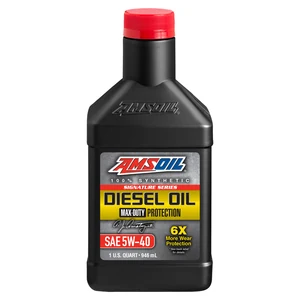
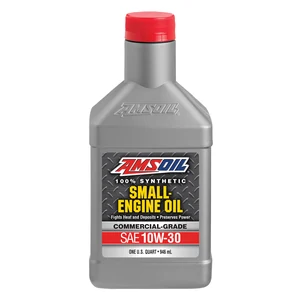
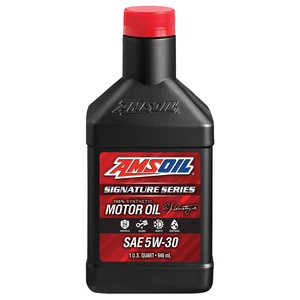
Product examples for learning—not verified vehicle fitment. Match the manual, specifications and current product guidance.
04Prepare for regional and seasonal differences
Prepare for regional and seasonal differences
Humid summers are familiar across much of North Carolina, but elevation and distance from the Atlantic create important differences. Mountain mornings can be colder than coastal conditions, while tropical storms and heavy rain affect travel and storage. Use the climate summary as background for asking where equipment works and rests. Follow the manufacturer's approved oil grades and operating instructions. Keep these choices separate from inspection after overheating or suspected water entry; fresh lubricant alone does not resolve damaged machinery. Arrange conversations before the busiest season where possible. A forecast should not become a sales deadline. Preparation should follow documented equipment requirements and the conditions the owner actually encounters. Record the conditions the owner reports and verify the relevant instructions before turning that context into a specific purchasing recommendation for the machine.
Boating and outdoor recreation offer another North Carolina focus when you already participate in those communities. Ask an owner to identify the boat engine, gearcase, tow vehicle and other recreational machinery independently. Sharing one weekend does not make their lubricants interchangeable. Help gather model and serial information before presenting products for consideration. Launch and storage planning may create a natural opportunity for a requested follow-up. Registration does not qualify a Dealer to diagnose a mechanical problem or replace a marina's expertise. Keep the relationship centered on researched ordering assistance that respects the service provider. Households buying only for personal use should understand customer account options without pressure to develop a dealership. Keep the initial scope manageable, check every detail and let the customer decide whether your assistance deserves a continuing place in the purchasing routine.
Lawn-care and landscaping businesses · illustrative artwork
06Learn from Charlotte automotive gatherings
Learn from Charlotte automotive gatherings
Charlotte Motor Speedway's official event calendar offers a starting point for exploring North Carolina automotive communities. Check organizer information for the activity you intend to attend, including access and promotional arrangements. A gathering can reveal the questions owners actually ask, but attendance does not authorize selling. Listen for whether the discussion concerns a competition engine, restored vehicle, motorcycle or towing combination. Offer to research a specific question rather than guessing in the moment. Ask before retaining contact information. Builder requirements and event rules can affect competition choices, and racing products do not automatically suit road vehicles. A venue reference supplies local context without claiming sponsorship or an organizer relationship. A brief, requested follow-up with a relevant official source can demonstrate useful service when the original discussion identifies a question worth checking carefully.
Video training and official business resources give prospective Dealers a structured way to begin learning. Work through one area, locate the supporting documentation and practice explaining what it does and does not establish. Product research, account questions and customer communication each deserve time in the plan. Kyle Holdridge is an independent Dealer in Minnesota who can provide online help with registration and account options; his assistance should not be described as a storefront here. Set a response schedule you can maintain, keep unanswered questions visible and avoid improvising technical claims to sound experienced. A clear next step is useful even when the full answer takes longer. Revisit training as your audience changes, since familiarity with one machine or customer group does not automatically provide expertise in another product category.
A useful product conversation connects an identified component with documented requirements. Ask customers for engine and model details, applicable manuals and any changes made since manufacture. Compare approved viscosity, performance standards and special requirements with current AMSOIL information. Automotive motor oils, Metric Motorcycle Oil and gear lubricants are examples to research separately, rather than a proposed combination for every owner. A product suitable for a competition machine may be unsuitable for its road-going transporter. Likewise, similar bottle labels do not prove transmission or clutch compatibility. Retain the documentation behind a recommendation and revisit it when equipment changes. Where the evidence remains uncertain, obtain clarification before completing the order. Careful research is a repeatable customer service skill, while a broad claim that one lubricant suits everything creates avoidable confusion.
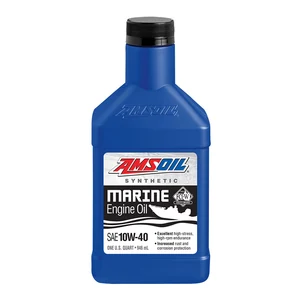
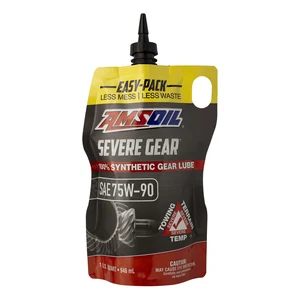
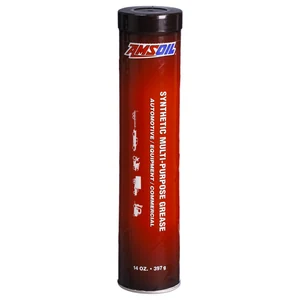
Product examples for learning—not verified vehicle fitment. Match the manual, specifications and current product guidance.
09Check the ordering path before promising supply
Check the ordering path before promising supply
Orlando and Lancaster are useful distribution references for North Carolina customers. Treat the network of distribution locations as a planning reference rather than a delivery guarantee. A facility's proximity does not prove assigned shipping origin, inventory or transit time. Check the official AMSOIL locator and current order information, and verify pickup arrangements directly if that option interests a customer. Ask about the actual service date before discussing supply timing. Record the address carefully and review quantities against the verified equipment list. New Dealers have no inventory requirement, so learning the fulfillment process does not require speculative purchases. If you later keep selected products on hand, consider demonstrated demand and suitable storage before expanding. Clear communication about ordering limits can be a useful service in itself, particularly for owners who need to coordinate equipment availability, a repair provider and an upcoming work schedule.
Stars show approximate distribution locations, not exact street coordinates. Alaska and Hawaii are inset. Choose a state for its dealer guide or a warehouse card or star for its official address.
10Demonstrate mower hours without setting an interval
Demonstrate mower hours without setting an interval
Hours can make an equipment discussion more concrete when mileage tells only part of the story. Enter five hours on five days as an illustration in the planner and the result is twenty-five operating hours per week. Neither the example nor its result establishes an oil-change interval. Consult the manufacturer's schedule, including calendar requirements and any instructions tied to operating conditions. Clarify whether the customer is estimating running time or simply reporting the length of a workday. When a meter is available, actual readings provide a better basis for records. Separate the equipment engine from the transport vehicle and any other machines sharing the job. A useful Dealer helps the owner organize this information and plan supplies, while avoiding unsupported claims that a calculation or lubricant choice permits extending the prescribed service schedule.
AT THIS WORKLOAD
4.0 weeksuntil your entered hour limit
20.0 hours per week · 80 hours remaining
Remaining hours ÷ operating hours per week. Follow the earlier of the applicable time, mileage or hour limits. Break-in service and severe-use requirements can change the schedule.
11Evaluate a narrow first customer group
Evaluate a narrow first customer group
Choose a first customer group you already understand and keep the proposed service modest. You might help willing owners organize equipment information and prepare a verified order rather than promising to redesign maintenance for an entire operation. Track time, expenses, corrections and actual response during a defined trial period. Ask what was useful and what the customer would prefer handled differently. Do not interpret enthusiasm at a gathering as a sales commitment or assume that every household needs a Dealer account. Maintain permission-based contact notes and leave room for learning alongside ordinary business tasks. Review the evidence before expanding. Sustainable participation depends on work you can repeat reliably, and the trial should help you judge whether your service, available hours and customer needs fit well enough to continue.
12Use official registration after reviewing the fit
Use official registration after reviewing the fit
Dealer registration is appropriate to consider when you want to develop an independent customer-serving business. Study the current AMSOIL agreement and program materials, including responsibilities and compensation information, before deciding. Results depend on your activity and circumstances, with no employment offer or guaranteed income. There is no inventory requirement, and video training provides a resource for learning how to begin. Kyle Holdridge, an independent Dealer based in Minnesota, can help online with enrollment questions and account distinctions. Someone whose purpose is personal purchasing should also consider the Preferred Customer option. If the business opportunity matches your intention, follow the official registration link and retain the records provided. Then return to your narrow plan for researching applications, handling orders and offering respectful follow-up that customers actually want to receive.