Register as an AMSOIL Dealer in Alaska with a business plan built around preparation, clear product research and dependable follow-through. An Anchorage commuter, a Kenai Peninsula boat owner and someone maintaining a remote generator do not need the same conversation. The useful connection is an independent Dealer who listens carefully and helps each person find the relevant official information. Alaska also rewards realistic expectations about ordering, seasonal use and communication over distance. This guide approaches those issues as business-learning topics, rather than promises of effortless sales. Kyle Holdridge is an independent AMSOIL Dealer based in Minnesota who offers online assistance to Alaska applicants. He does not operate an Alaska storefront. Before registering, consider whom you already know, what equipment you understand and how much regular time you can devote to learning.
02Put remote delivery questions near the beginning
Put remote delivery questions near the beginning
For an Alaska prospect, fulfillment deserves attention before a product presentation becomes an order. AMSOIL's distribution directory includes Anchorage, but a center on the road system does not resolve every destination's transportation needs. Ask the customer for the actual delivery address and the product list, then confirm the available ordering arrangements. Rural addresses, seasonal access and onward transportation can require different planning from an Anchorage residential shipment. Never turn proximity on a map into an arrival promise. For a new Dealer, an organized inquiry can be more valuable than a large speculative stock purchase. Record quantities, exact product codes and the customer's service deadline. Confirm pickup arrangements before anyone travels to a facility. Explain what has been verified and what still needs an answer so the customer can plan responsibly.
Stars show approximate distribution locations, not exact street coordinates. Alaska and Hawaii are inset. Choose a state for its dealer guide or a warehouse card or star for its official address.
03Learn the difference between coastal and Interior questions
Learn the difference between coastal and Interior questions
Alaska's maritime coast, Interior and Arctic do not share a single climate. Coastal precipitation and relatively moderated temperatures contrast with much larger seasonal temperature changes inland. That makes the customer's operating location a better starting point than a generic promise about northern weather. Ask where equipment is stored, whether it moves between regions and when it will next run. The Dealer's job is to connect those answers with the maker's permitted viscosity and operating instructions. Cold-weather capability does not establish compatibility on its own. Battery condition, appropriate heating equipment and storage procedures remain separate concerns. A useful educational post might compare the questions asked of a coastal boat owner with those asked of an Interior vehicle owner, without prescribing one grade to both or guaranteeing a start.
04Serve road-system households before chasing statewide reach
Serve road-system households before chasing statewide reach
A practical first audience is people you can already reach along the Anchorage, Mat-Su and Kenai Peninsula road system. Their households may include daily vehicles, trailers and recreational equipment, giving you opportunities to practice researching several distinct applications. Begin with one identified machine and a specific upcoming service rather than a broad pitch to replace every lubricant in the garage. Ask permission to retain the required equipment details and the customer's preferred contact method. When a question exceeds your knowledge, record it for follow-up instead of guessing. This focused approach also makes your own workload visible: research time, order questions and after-purchase support all count. Serving a few people carefully can teach you whether you enjoy the work before you attempt to communicate across Alaska's much wider geography.
Equipment and excavation contractors · illustrative artwork
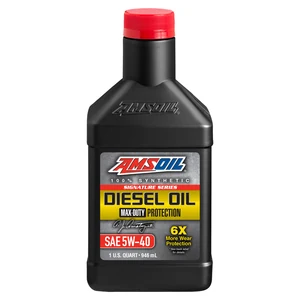
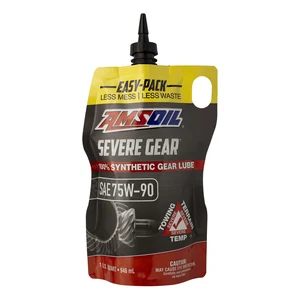
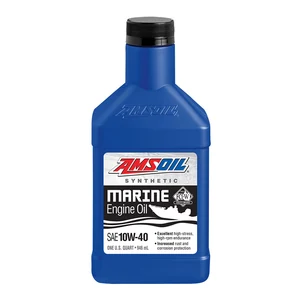
Product examples for learning—not verified vehicle fitment. Match the manual, specifications and current product guidance.
05Geography changes the conversation about convenience
Geography changes the conversation about convenience
Mountain corridors, gravel access roads, river systems and large areas beyond the highway network shape Alaska equipment ownership. A short distance on a map may require a much more complicated trip than an equivalent journey in the contiguous states. For a Dealer, that geography suggests emphasizing preparation and accurate orders rather than casual same-day convenience. Ask which supplies must travel together and whether the owner can inspect the machine before departure. A clean list of capacities, filters and separately specified fluids can prevent confusion at a remote property. Terrain also helps explain why a tow vehicle, boat trailer and stationary engine deserve different records. It does not authorize a Dealer to choose operating limits or replace the owner's maintenance instructions. Build a service-information habit around the actual journey.
06Practice reading an application before presenting a product
Practice reading an application before presenting a product
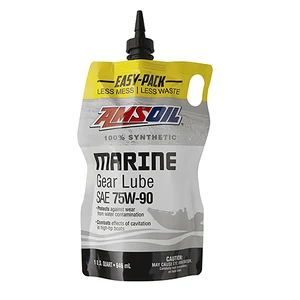
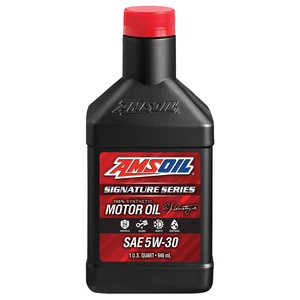
Use Alaska's varied equipment as a reason to learn the catalog in manageable pieces. Start with passenger-vehicle engine oil, then investigate a compatible small-engine or marine application when a real customer question arises. Record the year, model, engine and required performance specification before comparing options. Marine gear lubricant, four-stroke engine oil and two-stroke oil are separate categories even when they appear in the same boating conversation. AMSOIL's official lookup tools are research aids; an unidentified engine has no verified product match. Teach customers how you reached a recommendation and preserve any unresolved limitation. A particularly useful exercise is to explain why two products with similar viscosity markings may serve different components. This develops credibility without relying on dramatic claims about Alaska conditions or implying every machine needs the same formulation.
07Use Palmer motorsport as a listening opportunity
Use Palmer motorsport as a listening opportunity
Alaska Raceway Park in the Palmer area provides a recognizable gathering point for motorsport enthusiasts. Its official information is the starting place for current activities and visitor requirements. A prospective Dealer can use an authorized visit to learn what owners ask about street cars, competition builds and the vehicles that transport them. Those are different applications, so curiosity is more useful than arriving with one universal recommendation. If you want to display materials or conduct sales activity, ask the organizer about permission rather than assuming admission includes vendor rights. Keep follow-up invitations voluntary and specific. Nothing about mentioning the venue means that AMSOIL, Kyle Holdridge or this guide sponsors an event there. A useful business lesson is learning to distinguish an interesting conversation from a customer who actually wants further assistance.
08Remote-property owners need complete equipment information
Remote-property owners need complete equipment information
Another audience worth understanding is owners of cabins, small properties and equipment used away from a convenient service counter. They may be especially interested in assembling the right supplies before a trip. Offer help organizing engine identification, manual requirements and a component-by-component order list. A generator's engine oil and a boat's lower-unit lubricant should never become interchangeable merely because both are headed to the same location. Ask about operating hours, calendar limits and the planned return date so the customer can consult the relevant schedule. The commercial opportunity lies in making product research less confusing; it is not a promise that a lubricant eliminates breakdowns. Avoid diagnosing a damaged engine remotely. Know when the owner needs a technician, and keep that boundary clear in every recommendation you document.
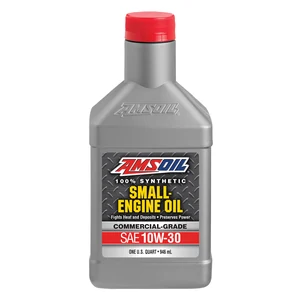
Product examples for learning—not verified vehicle fitment. Match the manual, specifications and current product guidance.
09Turn generator hours into a useful planning discussion
Turn generator hours into a useful planning discussion
The engine-hours planner can help explain why zero road miles does not mean zero engine use. Ask the owner to supply a service threshold from the applicable manual, the current hour reading and expected weekly operation. The tool then estimates how long remains until that chosen threshold. An illustrative generator example is arithmetic for planning, not an Alaska oil-change recommendation. Actual schedules can include calendar limits and different operating categories, which must remain visible beside the estimate. For a Dealer, the exercise is a way to ask better questions and help an owner prepare an order early enough. Do not use the resulting number to promise extended drains or infer engine condition. Retain the assumptions with the calculation so a change in use can be reflected in the next discussion.
AT THIS WORKLOAD
4.0 weeksuntil your entered hour limit
20.0 hours per week · 80 hours remaining
Remaining hours ÷ operating hours per week. Follow the earlier of the applicable time, mileage or hour limits. Break-in service and severe-use requirements can change the schedule.
10Make distance learning part of the weekly routine
Make distance learning part of the weekly routine
AMSOIL describes video-based training and corporate support as parts of its Dealer program. An Alaska applicant can use those resources to build a repeatable learning routine without assuming a nearby classroom or local shop is available. Set aside time to study account procedures, then practice explaining one product category in ordinary language. Keep a separate list of unanswered shipping and technical questions for official follow-up. The program states that inventory is not required, allowing you to evaluate an ordering approach before committing space to supplies. That does not remove the work involved in customer communication or business administration. Ask Kyle Holdridge online about the registration process and where to locate official learning material. His Minnesota location should remain clear, especially when an Alaska reader asks about local pickup or hands-on mechanical service.
11Test a narrow business routine through one season
Test a narrow business routine through one season
Before expanding your reach, define a small Alaska learning project. You might concentrate on road-system households preparing boats for regular use, or on owners gathering supplies for remote-property visits. Choose the audience whose questions you can reasonably answer and whose follow-up schedule fits your availability. Track inquiries, completed research and unresolved requests rather than treating every conversation as a projected sale. Build time into the plan for checking order details and correcting mistakes. A seasonal review can reveal whether the audience needs earlier reminders, clearer product explanations or more address-specific fulfillment information. Results depend on your effort, customer needs and other business conditions; this guide makes no earnings forecast. The point of a narrow start is to learn what reliable service requires before committing to a broader Alaska marketing effort.
12Complete the official Alaska Dealer application thoughtfully
Complete the official Alaska Dealer application thoughtfully
When you are ready to register as an AMSOIL Dealer in Alaska, use the official AMSOIL enrollment page linked here with referral number 225946. Read the current agreement and program information before submitting personal details. Check that you are choosing the independent Dealer relationship that fits your intention to develop customers, and resolve questions about ordering or training through the official process. Kyle Holdridge, an independent Dealer in Minnesota, can provide online assistance as you work through those questions. His assistance does not create a local Alaska business location or guarantee business results. After enrollment, make the next step concrete: complete introductory training, verify account access and prepare one accurate equipment inquiry. A modest, documented first task gives your new dealership a practical foundation while leaving room to learn at a sustainable pace.