







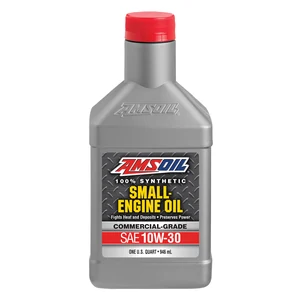
AMSOIL 10W-30 100% Synthetic Small-Engine Oil
Product Code : ASEQT-EA
Read Reviews Ratings & reviews from AMSOIL.com
Product-family totals · Checked Oct 20, 2026
SEE PRODUCT PRICEVIEW DETAILSProduct-family totals · Checked Oct 20, 2026
Become an AMSOIL Dealer in Vermont. In Vermont, an independent dealership can begin with the practical questions that come from maintaining equipment across changing seasons. A person who understands property work, recreation or rural travel may already know owners who appreciate help finding clear product information. Turn that familiarity into a deliberate learning plan before registering. Choose the applications you will study first and decide how you will respond when a question falls outside them. Kyle Holdridge is an independent AMSOIL Dealer based in Minnesota and provides online assistance; this guide does not identify a Vermont retail counter. The business requires more than interest in lubricants. It also needs accurate records, thoughtful follow-up and realistic expectations about your time. Use the local examples to shape an approach that fits your knowledge and the people you intend to serve.
NOAA describes Vermont's cold, snowy winters, warm summers and considerable weather variation linked to elevation and location. Lake Champlain influences nearby conditions, while the mountains bring another operating environment. For a prospective dealer, the practical implication is a seasonal education calendar. Review approved cold-start requirements before winter inquiries arrive and learn storage procedures before equipment is put away. A machine's oil grade still depends on its documentation, not a general description of Vermont weather. Short journeys, long rural drives and seasonal inactivity can involve different maintenance schedules even at the same address. Ask owners about their actual use and the limits already specified for the equipment. By preparing early, you can request the information needed for a sound product discussion instead of offering an improvised recommendation during a busy seasonal transition.
A Vermont property owner might maintain a pickup, utility vehicle, mower, generator and tools used around a woodlot. A dealer who understands that setting can start with organization rather than a product pitch. Ask which machines are maintained personally and which go to a technician. Record each engine and component separately, with its identifying information and required specification. Do not infer that every tool near a woodpile takes the same oil or that a generator's requirements match those of the vehicle beside it. Offer a worksheet the owner can update when equipment changes. If the customer is unsure of a model, help identify what information is missing before recommending a purchase. This service can make later conversations more efficient and gives your dealership a useful, concrete purpose from its first inquiry.
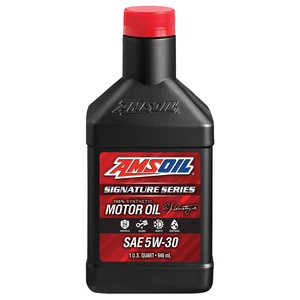
Product Code : ASEQT-EA
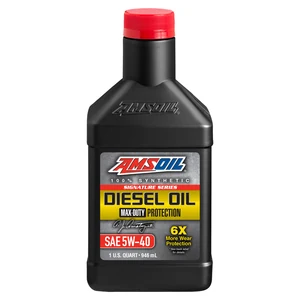
Product Code : DEOQT-EA
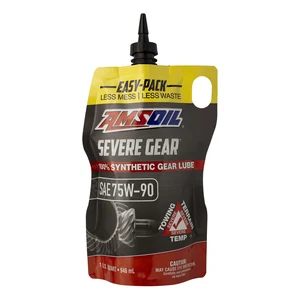
Product Code : SVGPK-EA
Suppose a clearly identified utility machine has 260 current hours and a service reading of 320 hours that the owner has already established from its applicable guidance. At an estimated six hours of use weekly, the hours planner calculates ten weeks until that reading. It does not recommend a 60-hour interval or determine whether continued operation is appropriate. A calendar limit might arrive earlier, and seasonal work could change the weekly rate. Have the owner provide the target, then keep the assumptions alongside the result. A dealer can use the estimate to arrange a follow-up someone has requested and to check the correct product before service approaches. Describe the output as planning arithmetic, with the machine's documentation and maintenance decision remaining separate from what the calculator can establish.
The Green Mountains, river valleys and Lake Champlain lowlands create different travel and property-work patterns within Vermont. A short errand may include a steep approach or a gravel lane, while a longer valley journey may be relatively steady. Ask about actual loads, surfaces and low-speed operation rather than using distance alone to characterize equipment use. For an owner towing a trailer, the engine and axle are different research subjects, and trailer bearings require their own instructions. This terrain discussion helps locate the relevant maintenance questions; it is not proof that any viscosity is appropriate. For your business plan, rural travel also makes appointments and online preparation valuable. Obtain the equipment information before setting aside a lengthy visit, so both you and the owner can use the conversation productively.
Thunder Road Speedbowl in Barre provides official schedules, rules and venue information for Vermont racing enthusiasts. Use those sources to check current arrangements before attending, and ask the organizer about any proposed business activity. A prospective dealer can learn from conversations about preparation, recordkeeping and the differences between road and competition machines. Ask who specifies the lubricant and whether the engine has builder instructions. The race car, support generator and tow vehicle may each need a separate answer. Offer further product information when the owner requests it, while avoiding blanket conclusions from a vehicle seen at the track. No reference to Thunder Road implies sponsorship or endorsement. Strong networking begins with respecting the setting and listening to individual needs, then returning with accurate documentation that makes the next conversation worthwhile.
A dealer interested in Vermont recreation can investigate the needs of snowmobile or motorcycle owners, provided the learning follows the actual machines. Ask which equipment the owner has, whether it is two-stroke or four-stroke where relevant and which component is being serviced. Do not present a recreation oil as a universal answer across engine designs. Storage and return-to-service questions should follow the manufacturer's procedures, with mechanical issues referred to an appropriate service provider. Some owners know their specified product well and want reorder help; others need assistance understanding the categories. Adjust your service to that difference. Invite the owner to share the manual and existing service record before comparing candidates. A small, accurate conversation is a stronger foundation for an independent business than assuming all seasonal riders have the same needs or purchasing plans.
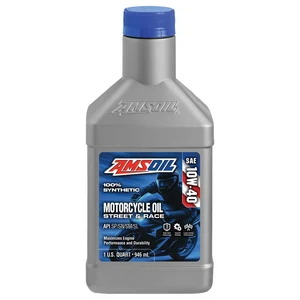
AMSOIL Small-Engine Oil, motorcycle oils and passenger-car oils are examples a Vermont dealer can study to understand how intended uses differ. Start each comparison with the equipment's identity, viscosity, performance requirement and component. A product-family name alone does not establish fitment. Two-stroke and four-stroke systems need separate treatment, and a drivetrain may have requirements unrelated to the engine oil. Record exact product codes rather than shorthand names, then save the current documentation supporting a recommendation. A useful learning exercise is to compare two machines in the same household and explain why their answers may differ. Where a lookup and manual do not appear to agree, resolve the question before encouraging an order. Product literacy means understanding the limits of an answer as well as recognizing the right information when it is available.
Product Code : ASLCN-EA
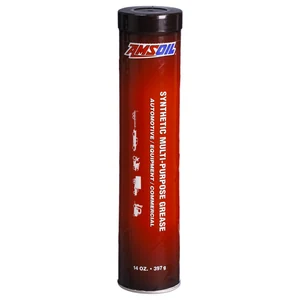
Product Code : GLCCR-EA
Product Code : MCFQT-EA
A Vermont owner may want supplies arranged before a seasonal service appointment rather than spend time visiting several outlets. Help by preparing an accurate product list and checking the current order options for the address and account. Use official AMSOIL distribution information for locations, and avoid promising an order origin or delivery date from proximity on a map. Confirm the product code, package size and quantity before discussing timing. If someone is considering pickup during a trip, verify that facility's current arrangements before departure. Kyle Holdridge's independent Minnesota dealership offers online assistance; it is separate from corporate warehouses and does not imply a Vermont stockroom. Be equally precise in your own business materials. Clear expectations about product research, ordering and current fulfillment information can make online assistance useful without inventing a local storefront.
Stars show approximate distribution locations, not exact street coordinates. Alaska and Hawaii are inset. Choose a state for its dealer guide or a warehouse card or star for its official address.
A Vermont launch may work best as a carefully defined service for people whose equipment interests overlap with your own. Choose one audience and set aside regular time for training, documented inquiries and follow-up. List expected expenses and compare them with what you actually spend, while recognizing that earnings are not guaranteed. Track completed product checks and questions resolved so you can judge whether your service is improving. The official Dealer opportunity describes no inventory requirement, leaving room to consider how current ordering tools fit a modest start. Do not treat stock ownership as evidence that demand already exists. If you add a second audience, identify the extra product learning it requires and whether your available time can support it. Let your real experience shape the next stage of the business.
Before registering, practice describing the difference between an independent selling business and an account intended primarily for personal product purchases. A neighbor who wants oil for one vehicle should be able to compare the appropriate customer option without feeling that dealership enrollment is the only route. Use the current official program descriptions and agreement for the details. AMSOIL identifies video-based training as part of its Dealer support; reserve time to use it alongside your own application research. Kyle Holdridge can help online with orientation as an independent Dealer based in Minnesota. Work through one property-machine example and one seasonal-recreation example using actual manuals before offering broad recommendations. Keep the unanswered questions visible and resolve them. A clear account explanation and a dependable research habit are useful first business tools even before promotion begins.
When a Vermont-focused independent business fits your interests and schedule, review the official AMSOIL Dealer registration page. Read the current agreement and instructions before entering personal information, and save the confirmation and next steps provided. If your goal is mainly buying lubricants for equipment you own, compare the relevant customer account first. After enrollment, make learning the tools and training a priority before discussing unfamiliar applications publicly. Kyle Holdridge is an independent Dealer in Minnesota and can offer online help with orientation. Define a first milestone that depends on your work: complete product study, document a real machine and return a supported answer to an owner who requested assistance. Registration provides a starting point; the service routine and business decisions you build afterward determine how the opportunity fits your own circumstances.
 Explore official AMSOIL Dealer registration ↗
Review current account offers and eligibility.