Signup as an AMSOIL Dealer in Kansas with an initial audience you can understand and support consistently. The questions of a western equipment owner can differ from those of a Kansas City-area commuter or enthusiast. A focused starting plan lets you learn the relevant applications and offer useful answers before reaching for a statewide audience. Kyle Holdridge, an independent AMSOIL Dealer based in Minnesota, provides online guidance for prospective Kansas dealers. That assistance offers a way to organize enrollment and learning questions without implying a local Kansas storefront. Begin by writing a simple promise you can keep, such as helping owners compare documented product requirements and prepare accurate orders. Then list the information you need from a customer to fulfill it. This gives the dealership idea a practical purpose before the registration process begins.
Kansas includes the High Plains, Flint Hills, river valleys and cultivated landscapes, so a single picture of flat interstate travel misses many customer routines. Ask about load, distance, field approaches and time running at a fixed location. Wind exposure and towing may matter to an owner's description of a trip, while dusty service areas can affect how products are handled. Use the answers to identify which manufacturer guidance should be consulted rather than declaring a universal local oil requirement. A dealer who asks concrete questions can build more useful educational material than one relying on dramatic landscape language. Record the component and operating pattern together. The route provides context for discussion, but the installed engine and documented specifications remain the basis of a recommendation. Keep that distinction clear when turning a customer's story into a product research task.
03Offer rural customers a manageable application review
Offer rural customers a manageable application review
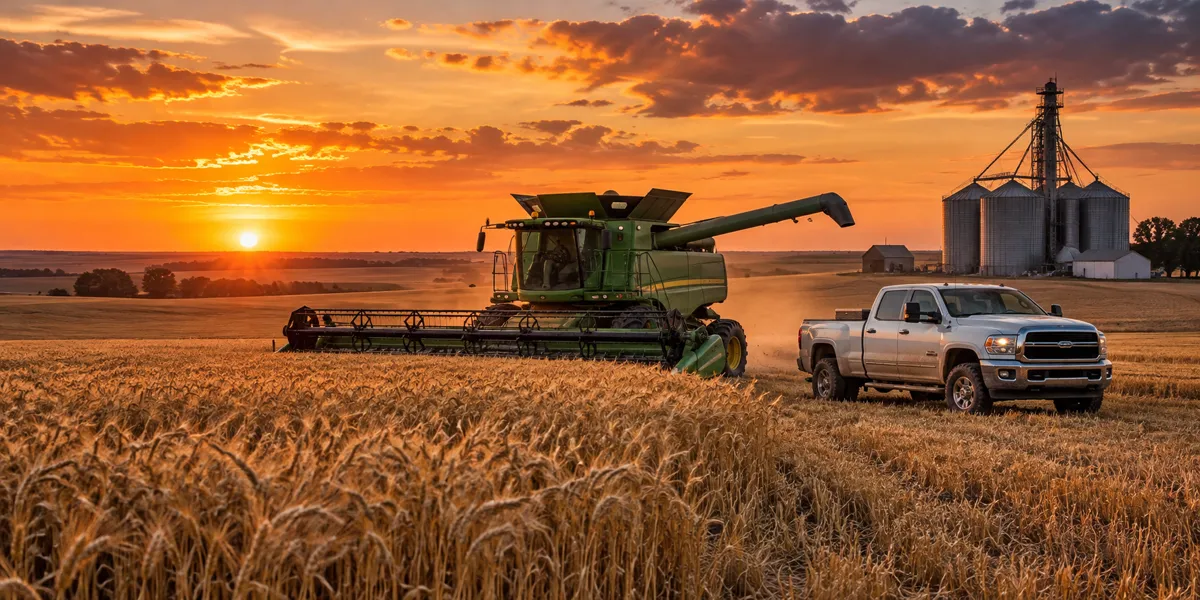
A western Kansas agricultural or equipment owner may operate several machines over a broad area. Instead of proposing a large replacement order, ask which application is hardest to identify or keep supplied. Help organize the engine model, required specification, capacity and purchasing details for that one need. Pumps, work trucks and compact equipment should each retain separate records. Find out who checks the hour meter, who services the machine and who approves an order. Those small process details can explain why an otherwise correct product list fails to reach the right person. Your first contribution can be a clear worksheet rather than a sales forecast. Once the customer has reviewed it, ask whether another application would benefit from the same work. Let verified requirements and expressed interest guide expansion across the rest of the equipment.
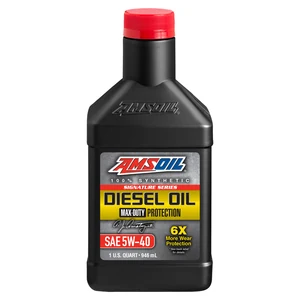
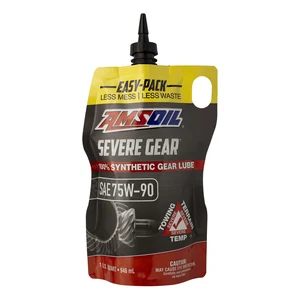
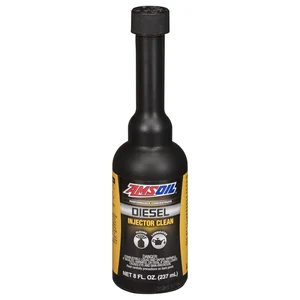
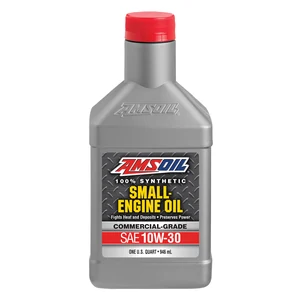
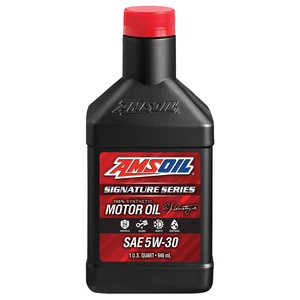
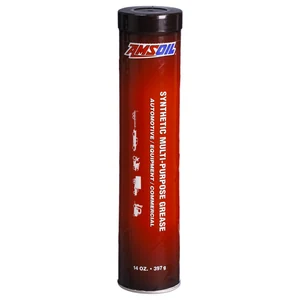
Product examples for learning—not verified vehicle fitment. Match the manual, specifications and current product guidance.
04Use the rainfall gradient to ask better questions
Use the rainfall gradient to ask better questions
Kansas spans a transition from wetter eastern conditions to a drier west and experiences substantial seasonal temperature variation. NOAA's state summary describes heat and drought among the state's recurring concerns. A useful dealer conversation asks where a machine operates and when its work becomes demanding. Seasonal messages might invite a review of starting guidance, storage or preparation before a busy period, but they should not prescribe an oil grade from the forecast. Compare the manufacturer's approved viscosity information with expected temperatures and check the performance requirements separately. A hot day does not erase those requirements, and a synthetic label does not replace cooling-system or starting-system preparation. For your business calendar, use climate as a reason to contact customers with timely information. Keep each message connected to a documented application and a question the owner can actually resolve.
05Explore Kansas Speedway as a community reference
Explore Kansas Speedway as a community reference
Kansas Speedway in Kansas City, Kansas publishes official information about its motorsport activities and visitor experiences. Consult that current source before planning attendance and confirm organizer rules before considering sales or displays. For a prospective dealer, a useful visit can reveal what enthusiasts want to understand about lubricants and ownership. Ask questions and listen without assuming a racing audience is automatically a customer audience. A spectator may want help with a daily driver or tow vehicle, while a participant may need builder-specific guidance you are not yet equipped to provide. Recognize those differences openly. Venue references do not imply an association with AMSOIL or your dealership. If someone invites a follow-up, obtain the machine details and return an evidence-based answer. The relationship should begin with the question they raised, not with an unsupported claim about competition results.
Kansas City-area households can combine commuting, a motorcycle interest, lawn equipment and occasional trailer use. That variety creates an educational opportunity if you keep every application distinct. Ask which machine the owner wants to address first and whether a service shop already has an approved recommendation. Gather the required information before suggesting products. A motorcycle's clutch arrangement can matter, and a mower should not receive a car-oil recommendation merely because a container is already open. Explain the difference in plain language without overwhelming the customer with catalogue details. Help record the confirmed choice and the next action needed for uncertain applications. An initial conversation that resolves one specific issue is easier to evaluate than a broad product pitch. Ask about preferred contact and reorder habits after the technical questions are settled so your service fits the household's actual routine.
Agricultural businesses · illustrative artwork
07Separate category knowledge from verified suitability
Separate category knowledge from verified suitability
Study AMSOIL product categories in relation to real Kansas questions. Passenger vehicle oils, diesel engine oils, gear lubricants and small-engine products may all be relevant, but knowing a category is only the beginning. For a candidate application, compare the exact viscosity, performance specifications and additional manufacturer requirements with current product information. Identify the component explicitly and preserve the source in your record. An engine oil match does not establish suitability for a hydraulic system, axle or transmission. If equipment has been repowered, use the installed engine identification. Explain uncertainty directly and ask for missing documentation before an order. This discipline lets you build expertise gradually without pretending every catalogue item fits every machine. A dated set of researched examples can become a practical study resource and a clearer basis for explaining your recommendations to future customers.
Product examples for learning—not verified vehicle fitment. Match the manual, specifications and current product guidance.
08Design follow-up that works across long distances
Design follow-up that works across long distances
A remote Kansas customer may prefer a concise written answer that can be shared with the person servicing the equipment. Offer a simple intake format and explain why model details and manual requirements matter. If a photograph is incomplete, ask for the relevant information instead of inferring it from appearance. Keep a record of the question, research completed and promised next contact. Kyle Holdridge offers online guidance from Minnesota to prospective dealers, while official sources supply current program and product information. Set your own response expectations realistically so distance does not become an excuse for missed follow-through. A useful answer should state the application, the candidate and what was checked. Confirm that the customer understands any unresolved condition. Good organization makes an online dealership feel attentive and dependable even when no local counter is part of the service model.
09Check distribution details for the actual order
Check distribution details for the actual order
Use AMSOIL's official distribution locator to review corporate facilities, including Dallas and the Chicago-area location, when Kansas customers ask about the network. Do not assume the geographically closest point will fulfill a particular purchase. The ordering process and direct confirmation should supply stock, shipment and collection details. If pickup is being considered, verify procedures before anyone makes a long drive. Your dealership should be described according to the services you actually offer rather than as an invented warehouse. For rural orders, prepare a precise list with the product code, package size, quantity and destination. Compare it with the verified application record and have the customer confirm it. This reduces avoidable confusion among similar names. A well-timed reminder before an established service need is a useful offer; an unsupported claim about immediate delivery is not a dependable business practice.
Stars show approximate distribution locations, not exact street coordinates. Alaska and Hawaii are inset. Choose a state for its dealer guide or a warehouse card or star for its official address.
10Calculate time remaining without inventing an interval
Calculate time remaining without inventing an interval
The engine-hours tool can make a stationary engine's service planning easier to discuss. Suppose a pump reads 720 hours and its established due point is 780. The 60 remaining hours represent about six weeks at ten hours of weekly use, or three weeks at twenty. Confirm the due point from the applicable maintenance guidance before entering it. The result estimates timing from the supplied figures; it cannot establish the allowable oil interval, detect contamination or override a calendar requirement. For a Kansas dealer, that estimate can support a customer-approved reminder to review the order list. Revisit expected use when the workload changes and obtain a fresh meter reading rather than relying on the previous conversation. Explain the assumptions plainly so that the customer sees a scheduling aid instead of an implied promise about product life or engine protection.
AT THIS WORKLOAD
4.0 weeksuntil your entered hour limit
20.0 hours per week · 80 hours remaining
Remaining hours ÷ operating hours per week. Follow the earlier of the applicable time, mileage or hour limits. Break-in service and severe-use requirements can change the schedule.
11Give your launch a focused review process
Give your launch a focused review process
Choose a Kansas audience and a limited set of support tasks for your initial business trial. Reserve regular time for product research, application records and invited follow-ups. Track what you complete and how much work each step requires. Keep an expense record and avoid planning around an assumed income figure. An equipment population or event venue offers places to learn, but does not establish demand. Ask customers which explanations helped and what remained unclear. Review those responses before adding another audience or product category. A focused plan can include a simple online page, a useful worksheet and a reliable way to ask questions. Broader promotion should follow evidence that these basics work well. This approach keeps your expectations grounded while you discover which Kansas customer needs match your skills and available time.
12Read the current program and complete signup
Read the current program and complete signup
When the dealership approach fits your goals, use the official AMSOIL enrollment page to review the program and agreement. Keep your proposed Kansas audience and learning questions beside you while reading. AMSOIL offers dealer video education and does not require an initial inventory purchase. Those features can support a measured start, though useful customer service still depends on your research and follow-through. Kyle Holdridge provides online guidance from his independent Minnesota dealership for prospective dealers organizing the process. Use the official form for personal application details and review any unanswered program questions before submission. Once registered, select one confirmed application to study and one customer-support routine to practise. The value of signup is that it begins organized work toward your business idea; it does not establish local demand or promise a particular sales result for your Kansas dealership.