







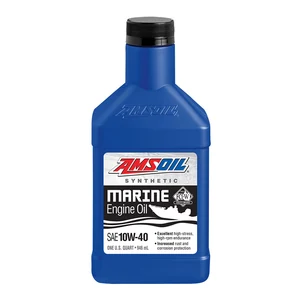
AMSOIL 10W-40 100% Synthetic Marine Engine Oil
Product Code : WCFQT-EA
Read Reviews Ratings & reviews from AMSOIL.com
Product-family totals · Checked Oct 20, 2026
SEE PRODUCT PRICEVIEW DETAILSProduct-family totals · Checked Oct 20, 2026
Signup as an AMSOIL Dealer in Virginia. Virginia brings a broad mix of driving, boating and working-equipment communities to a prospective dealership. The useful starting point is not the widest possible customer list, but a familiar audience whose questions you can learn to answer well. Decide what information you will gather, how you will verify product candidates and when you can provide follow-up. Kyle Holdridge is an independent AMSOIL Dealer based in Minnesota who helps people online; this guide does not claim a Virginia shop. Registration should fit a plan for an independent selling business and the time you can commit to it. Use the regional examples as research directions, then compare your interests with the responsibilities described in the official program. A clear purpose will make the application and the learning that follows more meaningful.
A dealer interested in owners around Hampton Roads can begin with the maintenance questions surrounding a boat trip. Identify the marine engine, its gearcase and the vehicle transporting the boat as separate applications. Ask whether a service provider handles maintenance and what information the owner wants help locating. Two-stroke and four-stroke engines belong in different research paths; a familiar bottle from the tow vehicle is not evidence of marine compatibility. Your contribution can be a clear product worksheet that the owner shares with a technician. Keep storage, flushing and inspection connected to the equipment's instructions rather than promising that a lubricant removes those tasks. If an owner already knows the correct product, accurate reorder assistance may be more useful than a technical discussion. Let the person's actual need guide the conversation.
Product Code : WCFQT-EA
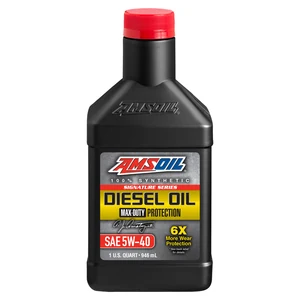
Product Code : DEOQT-EA
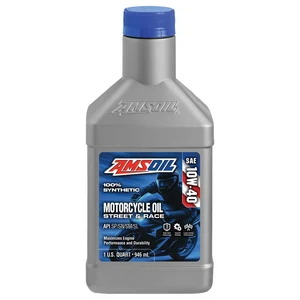
Product Code : MCFQT-EA
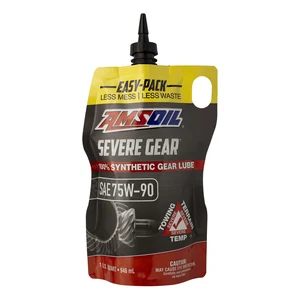
Virginia's varied audiences can tempt a dealer to memorize many product names without learning how a match is established. Reverse that habit: start with year, model, engine and component, then record viscosity, performance standard and intended use. AMSOIL marine oils, passenger-car oils and SEVERE GEAR are examples of different application families to explore after those requirements are known. Engine and gear grades are not interchangeable measures of general strength. Modified equipment may need builder information in addition to a stock lookup. Save the exact product code and the reference supporting the answer. If the documentation leaves a gap, obtain clarification before a customer orders. Being explicit about what is known and what still needs checking helps an independent business build trust through useful evidence rather than certainty unsupported by the application.
Virginia rises from coastal lowlands through the Piedmont and Blue Ridge into valleys and western mountains. Those regions offer a useful framework for questions about equipment use. A tow vehicle may combine traffic delays with repeated grades, while a rural machine may spend considerable time moving slowly over property roads. Ask about loads, operating hours and the components the owner intends to service. An engine, axle, transmission and trailer remain distinct applications even when they share one trip. Geography explains context but does not approve a fluid or establish a service schedule. It also helps you plan a manageable business network. Choose a starting area or relationship group and explain how requested online follow-up will work, rather than implying that your independent dealership maintains a physical presence throughout the state.
Virginia International Raceway publishes a calendar and information about events and track activity on its official site. Check current arrangements there and consult the organizer about any business display you are considering. For a prospective dealer, a motorsport gathering is an opportunity to understand how owners distinguish their competition machines from everyday transportation. Ask whose technical instructions govern the engine and how service information is recorded. A racing formulation may have a different intended use from the product required in a road vehicle with emissions equipment. The tow vehicle and support machines need their own review as well. Offer documented follow-up when invited, and do not interpret attendance as blanket permission to solicit. Mentioning VIR establishes neither endorsement nor sponsorship; your dealership's credibility must come from the quality of its own information and service.
NOAA describes Virginia as humid, with warm summers and cooler winters, while elevation and the Atlantic produce significant regional differences. Mountain conditions can differ from the coast on the same day. A dealer can use that background to plan useful education about approved grades, storage and operating patterns. Ask where the equipment works and whether its trips are short, sustained or seasonal. Those details may help the owner identify the applicable instructions, but humidity alone does not define a lubricant specification. A cooling problem or suspected water contamination requires appropriate investigation rather than a premium-oil promise. Plan your learning before the seasonal questions arrive, and use the discussion to gather actual equipment facts. The goal is a locally relevant conversation that leads back to documentation instead of replacing it with a general weather-based recommendation.
Around Northern Virginia and the Richmond region, a prospective dealer might investigate owners of passenger vehicles or small service fleets. Frequent trips, multiple drivers and maintenance performed by outside shops can create a need for clear records. Ask who approves purchases, who performs service and whether the equipment list is current. Avoid assuming that a business vehicle needs a commercial lubricant merely because it carries tools. The engine and manufacturer requirements still govern the product discussion. Some contacts may want information to share with a technician, while others want a convenient verified reorder list. Clarify whether they buy only for their own use or plan to resell, then review relevant official account options. Your Dealer plan should describe the support you can actually provide rather than treating every business inquiry as the same opportunity.
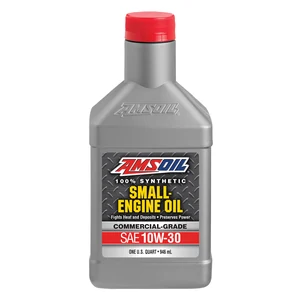
Product Code : ASEQT-EA
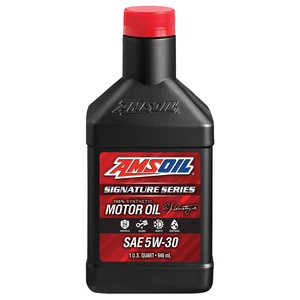
Product Code : ASLCN-EA
Product Code : SVGPK-EA
Some Virginia contacts will maintain generators or grounds equipment with hour meters alongside their road vehicles. For an illustrative machine showing 140 hours, suppose its owner has independently established 200 hours as the next service reading from appropriate instructions and records. At ten operating hours a week, the planner estimates six weeks to that reading. This example does not select an interval, approve oil condition or remove a calendar deadline. Ask the owner to provide the actual target and explain how weekly use was estimated. Weather, workload or a prolonged outage could change the forecast quickly. A dealer can use the calculation to prepare requested follow-up and confirm product identification before service. Keep the arithmetic and its assumptions visible, with the technical service decision clearly grounded in the equipment's own guidance.
Virginia buyers may see an AMSOIL distribution location on a map and assume that every product is immediately available there. Direct them to current official information and verify the actual order options before making commitments. Location does not establish inventory, access arrangements or a delivery deadline. Check the account, destination, product code and package quantity, then discuss the information available for that order. If pickup is proposed, confirm current facility arrangements before someone travels. Kyle Holdridge provides online help through an independent Minnesota dealership; corporate distribution operations are separate. The same clarity should appear in your future Virginia-facing materials. A useful dealer helps a customer prepare an accurate order and find current answers without implying ownership of a warehouse or promising fulfillment details that have not been checked for the specific transaction.
Stars show approximate distribution locations, not exact street coordinates. Alaska and Hawaii are inset. Choose a state for its dealer guide or a warehouse card or star for its official address.
A first Virginia business plan could focus on one community, such as boating owners or a familiar group of passenger-vehicle enthusiasts. Write down the product learning needed, your available hours and the expenses you expect to incur. Then define what useful service looks like: complete intake details, supported recommendations and follow-ups requested by owners. Review actual activity rather than assuming a sales outcome from the size of the state's population. Independent Dealer earnings are not guaranteed. AMSOIL describes no inventory requirement, so investigate current ordering tools before purchasing stock to signal that the business has begun. Expand only when you understand the extra applications and can remain responsive. A plan that acknowledges research time is more practical than one that counts every person you meet as a future customer.
Before promoting a Virginia dealership widely, use a known vehicle to practice finding a documented product answer from start to finish. Compare its manual, official lookup and current product information, and record anything that needs clarification. Repeat with an application from your second area of interest only when the first process is clear. The AMSOIL opportunity information describes video-based training, which can support your learning alongside orientation from Kyle Holdridge online. He is an independent Dealer, while the official agreement defines the program. Practice explaining when a selling business is appropriate and when a customer account should be compared for personal purchases. Keep that conversation factual. Early preparation should help you answer a real owner's question and describe the account choices plainly, without relying on a rehearsed promise about outcomes.
If independent selling fits your Virginia goals, use the official AMSOIL Dealer registration page to review the application and current agreement. Confirm the account's purpose, enter accurate information and retain the registration confirmation and instructions. Compare the relevant customer option if buying products for your own equipment is the main goal. After registration, schedule time for the online tools and training before making recommendations across unfamiliar categories. Kyle Holdridge, an independent Dealer based in Minnesota, is available for online help with orientation. Choose a first task you can complete well, such as verifying the requirements for a known boat engine or passenger vehicle and explaining the supporting information to its owner. Use that experience to refine your service routine and expectations. Enrollment starts the business process; sustained learning and careful follow-through remain your responsibility.
 Explore official AMSOIL Dealer registration ↗
Review current account offers and eligibility.