Register as an AMSOIL Dealer in New York begins with a service you can provide well in a very varied state. A North Country equipment owner, suburban landscaping business and metropolitan delivery operator have different purchasing routines. Your dealership does not need to serve all three. Choose an audience you understand, identify missing knowledge and establish a realistic response schedule. Registration starts independent business learning rather than delivering a finished customer base. Connect your first offer to a specific task, such as organizing application records or researching a requested product. Then assess whether customers value that help enough to continue the relationship. Write down the first question you want to answer, the audience you intend to serve and a response schedule that you can realistically maintain.
An independent delivery or service business can provide a focused New York audience if you understand its operating routine. Ask whether drivers share vehicles, where maintenance records live and who authorizes purchases. A van making repeated metropolitan stops presents different questions from a truck traveling between upstate customers. Collect the exact applications before discussing products and distinguish personal vehicles from business equipment. Offer a concise written summary the maintenance provider can review. Do not promise longer service intervals or reduced downtime to win an initial order. The owner may value predictable communication most. Learn whether your assistance complements existing repair relationships before proposing a broader purchasing arrangement. Keep the initial scope manageable, check every detail and let the customer decide whether your assistance deserves a continuing place in the purchasing routine.
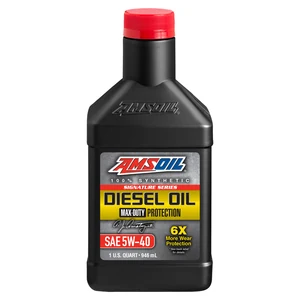
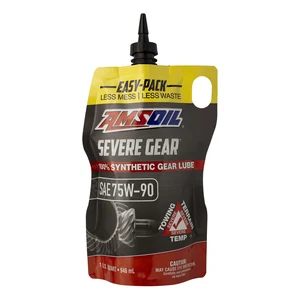
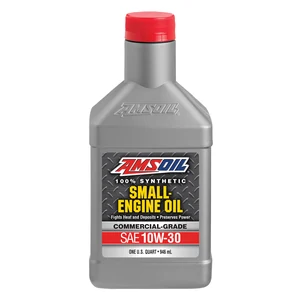
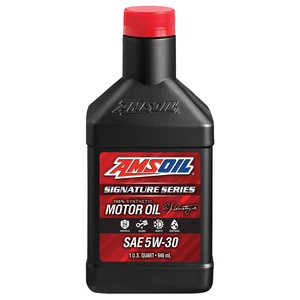
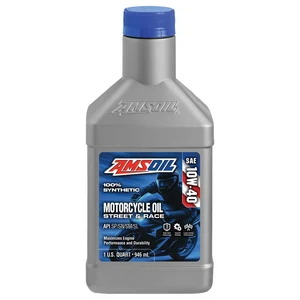
Product examples for learning—not verified vehicle fitment. Match the manual, specifications and current product guidance.
03Keep regional winters in perspective
Keep regional winters in perspective
Atlantic influence near New York's coast, colder inland conditions and the Great Lakes create considerable climate variety. Winter snow patterns differ by location, while summer warmth and heavy precipitation also affect planning. Ask where equipment operates and whether it makes brief cold trips, runs for full workdays or sits through part of the year. These questions help identify the manufacturer's instructions worth reviewing. They do not establish one oil grade for every New York customer. Keep viscosity approval distinct from storage and inspection needs. A mild week on Long Island does not describe North Country equipment, and a severe winter memory cannot establish the correct product for an unidentified engine. Record the conditions the owner reports and verify the relevant instructions before turning that context into a specific purchasing recommendation for the machine.
Property businesses are another possible New York audience, particularly where mowing equipment and snow-removal machinery belong to the same operation. Ask for a machine-by-machine list with engine labels, attachments and the person responsible for service. A mower, winter power unit and road truck may require distinct products despite having one owner. Help organize information before presenting an order. Schedule conversations ahead of seasonal changeovers so uncertain specifications can be verified. Avoid assuming that registration automatically supplies commercial customers. A manageable first task might involve preparing a researched list for two machines. Ask whether the owner wants ongoing help rather than repeatedly sending promotional messages after one conversation. Keep the initial scope manageable, check every detail and let the customer decide whether your assistance deserves a continuing place in the purchasing routine.
Lawn-care and landscaping businesses · illustrative artwork
05Record the route rather than guessing from an address
Record the route rather than guessing from an address
New York includes dense urban streets, agricultural valleys, the Adirondacks and extensive lake regions. A home address reveals little about the routes equipment actually travels. Ask whether vehicles climb with trailers, idle around loading areas or use rural access lanes. Record those details alongside model information before reviewing manufacturer maintenance guidance. Do not label every mountain trip severe service without checking the definition that applies. Customers towing toward the Finger Lakes may need separate records for the boat, trailer and transport vehicle. An organized component list provides a more dependable starting point than saying one lubricant is ideal for every road or every machine owned by a customer. Keeping the actual route in the record helps future conversations start with specific use, rather than an assumption based only on the state address.
Watkins Glen International's official calendar is a starting point for learning about New York motorsport communities. Review current organizer information and confirm access for the particular activity. Some enthusiasts focus on competition machinery; others arrive with campers, classic road cars or daily drivers. Listen for that distinction before discussing a product. Ask permission for promotional activity and later contact instead of treating a public gathering as a sales appointment. A useful follow-up might be sending a requested official specification document. Competition requirements should not be transferred automatically to the tow vehicle. A conversation with an attendee does not imply AMSOIL sponsorship or authorization to represent the venue. A brief, requested follow-up with a relevant official source can demonstrate useful service when the original discussion identifies a question worth checking carefully.
07Verify order arrangements before scheduling service
Verify order arrangements before scheduling service
Lancaster and the Chicago area are useful distribution references for New York customers. Fulfillment deserves the same care as product research. Confirm the delivery address, quantities and current ordering options rather than assuming the geographically nearest facility controls an order. The official AMSOIL locator provides location references, while checkout and direct confirmation supply the information needed for a particular purchase. Pickup availability, hours and procedures should be checked before anyone makes a trip. No inventory is required to become a Dealer, allowing a modest start while customer needs become clearer. Optional stock should follow real repeat demand instead of guesses about what everyone might buy. Keep order confirmation details accessible for follow-up questions, and communicate any uncertainty plainly. A customer organizing a service appointment needs dependable information about what is confirmed, especially when there is little flexibility to reschedule the work.
Stars show approximate distribution locations, not exact street coordinates. Alaska and Hawaii are inset. Choose a state for its dealer guide or a warehouse card or star for its official address.
Learn to explain why an application matches a product before trying to compare entire product lines. An engine, automatic transmission and axle can all require different fluids even when they share one vehicle. AMSOIL Signature Series, small-engine oils and marine lubricants illustrate families worth studying; none is a fitment recommendation for an unnamed machine. Collect exact identification and the required viscosity, specification and any approval before consulting current product documents. If a customer reports a rebuild or modification, ask whether the original manual still describes the equipment. Separate performance claims from the evidence that supports compatibility. Save a short research note with its source so later questions can be checked. A carefully qualified answer gives the customer a clearer decision and gives a new Dealer a disciplined way to keep learning.
Product examples for learning—not verified vehicle fitment. Match the manual, specifications and current product guidance.
09Separate a working shift from engine hours
Separate a working shift from engine hours
A customer's description of a busy week does not necessarily reveal engine running time. Use the hours planner with an explicitly illustrative example: four hours on six days yields twenty-four operating hours weekly. This explains accumulation of use and does not determine when oil must be changed. Look to the equipment manufacturer's service instructions and any applicable time, hour and operating-condition limits. Ask whether a meter exists and who records its readings. A machine that sits while its operator completes other tasks may accumulate fewer hours than the job schedule suggests. Keep separate records for separate engines, and do not combine an implement's estimate with the tow vehicle's mileage. The tool can improve a dealer conversation by identifying missing information, while the maintenance decision remains grounded in the actual machine's documented requirements.
AT THIS WORKLOAD
4.0 weeksuntil your entered hour limit
20.0 hours per week · 80 hours remaining
Remaining hours ÷ operating hours per week. Follow the earlier of the applicable time, mileage or hour limits. Break-in service and severe-use requirements can change the schedule.
10Practice a repeatable online research process
Practice a repeatable online research process
Treat learning as part of operating the dealership rather than something completed at enrollment. AMSOIL video training can introduce product families and business processes, while official documents remain the basis for specific recommendations. Choose a manageable topic, test your understanding with an identifiable application and record what still needs clarification. Kyle Holdridge, a Minnesota-based independent Dealer, can assist online with getting-started questions and account choices. Describe his role accurately rather than implying a local retail branch. Reserve time for follow-up as well as training, and explain when a customer question requires additional research. Keeping clear notes makes it easier to revisit an answer without relying on memory. A dependable service routine grows from those habits and realistic response expectations, especially when you balance the dealership with other work.
Build an early operating plan around evidence you can collect. Select a small audience, identify one problem and ask whether owners want help addressing it. Write down the proposed service, the time available and the expenses involved. Track research effort, actual orders and customer feedback rather than counting every event contact as a committed buyer. Review your process after a defined trial and improve accuracy or communication before adding more audiences. Keep consent and agreed follow-up actions in the contact record so nobody receives unexpected pressure. Commercial results remain uncertain, and the workload may differ from your first estimate. A sensible review can lead to expansion, a narrower focus or a decision that the business does not fit your current schedule. Registration alone does not replace this ongoing evaluation.
12Choose the account that matches your intention
Choose the account that matches your intention
If serving other owners fits your goals, use the official Dealer registration materials to evaluate the opportunity carefully. Review the current agreement, account responsibilities and compensation details so enrollment is an informed decision. An independent dealership involves work, expenses and uncertain results; it is not employment or an income guarantee. AMSOIL requires no inventory, and video training can help a new Dealer begin learning the program. Kyle Holdridge offers online assistance from his Minnesota independent dealership for registration and account questions. Buyers mainly maintaining personal equipment should compare Preferred Customer membership rather than assuming a business account is necessary. Once the Dealer path suits your plans, register through the official link, keep your enrollment records and begin with a manageable audience. Customer service and continued learning remain the practical work after registration.