







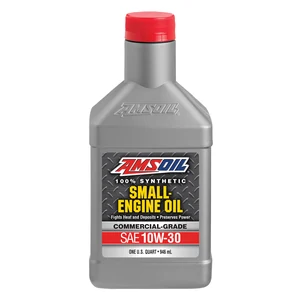
AMSOIL 10W-30 100% Synthetic Small-Engine Oil
Product Code : ASEQT-EA
Read Reviews Ratings & reviews from AMSOIL.com
Product-family totals · Checked Oct 20, 2026
SEE PRODUCT PRICEVIEW DETAILSProduct-family totals · Checked Oct 20, 2026
Register as an AMSOIL Dealer in Minnesota with a practical commitment to learning and customer service. The state's mix of city traffic, agricultural work and seasonal recreation offers several possible starting audiences, but no single product conversation fits them all. Decide where your experience will help you ask good questions. A person familiar with marina operations may begin differently from someone who works with property-maintenance crews. Kyle Holdridge is an independent AMSOIL Dealer based in Minnesota and provides online guidance for people considering the program. His role does not turn this page into a corporate distribution office or a walk-in store. Use the following topics to plan how you would study applications, respond to questions and organize orders before reviewing the official registration information and current agreement.
Minnesota's continental climate brings substantial seasonal temperature differences, while Lake Superior influences conditions near the northeastern shore. The state climate summary explains this variation and the importance of winter conditions. A prospective Dealer can translate that context into thoughtful questions about storage, starting and operating schedules. Ask whether a customer keeps equipment outside, uses it year-round or moves it between regions. A cold morning is relevant to preparation but does not identify an oil grade without the engine's requirements. Similarly, a warm summer workday does not authorize changing viscosity outside approved guidance. Build seasonal contact plans around the machines actually in use. An owner preparing a snowblower needs different information from someone laying up a boat, even if both live in the same neighborhood.
A Twin Cities property-maintenance contractor could provide an accessible first audience for a Dealer with relevant relationships. The business might use mowers, handheld tools, snow equipment and several road vehicles. Ask the owner to identify the most difficult ordering or recordkeeping problem before presenting a product range. A small, accurate equipment list may save more confusion than a broad sales pitch. Separate two-stroke tools from four-stroke engines, and identify attachments or gearboxes that have their own lubricant instructions. Discuss whether the business orders centrally or lets individual crews purchase supplies. Offer help only where it fits that process. Treat this as a possible audience to research rather than an established customer base, and build confidence through one verified application and reliable follow-up at a time.
Product Code : ASEQT-EA
Product Code : WCFQT-EA
Product Code : AGMTB-EA
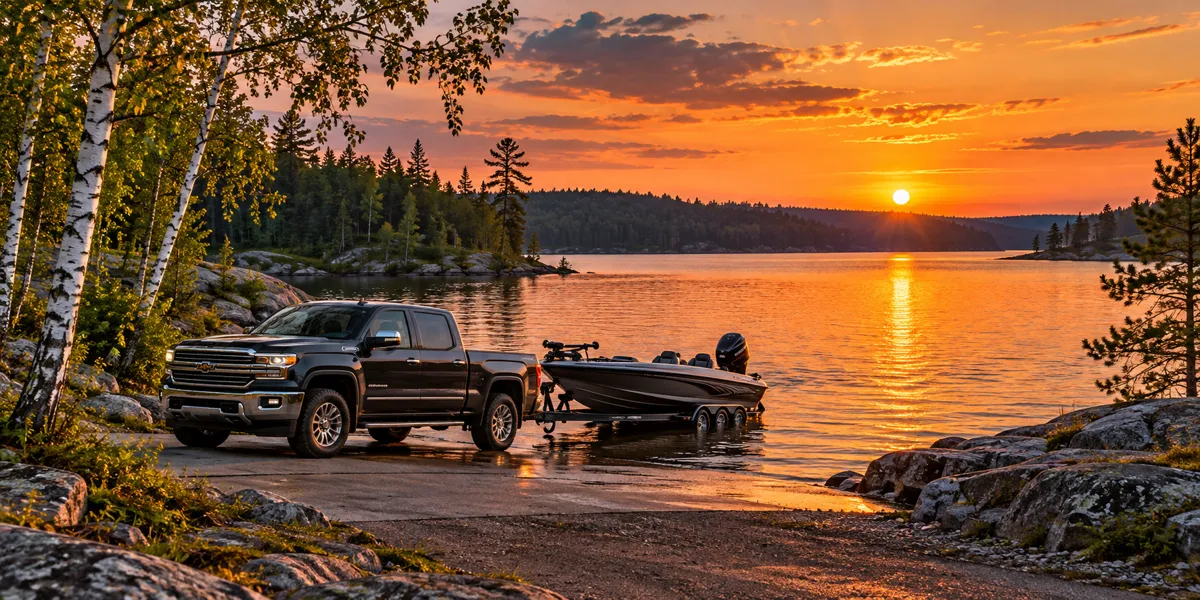
A second possibility is recreational owners around central Minnesota's lake communities. A household may use an outboard, a tow vehicle, an ATV and winter equipment, with manuals stored in several places. Help organize those requirements before proposing products. Ask about the exact engine, modifications, fuel and storage periods, and distinguish an automotive requirement from a marine specification. The same brand name on two machines does not prove shared lubricant suitability. Recreational use can also be intermittent, making calendar requirements worth discussing alongside recorded hours. A Dealer who understands the owner's schedule can offer a well-timed information check without creating unnecessary urgency. Let the customer decide whether the assistance is useful, and avoid assuming that a lakeside address means every vehicle needs marine oil.
Minnesota includes western prairie, southeastern river bluffs and northern forests and lakes, so a customer's route can reveal more than a postal address. A farm support truck may work on dusty access lanes, while a recreational tow vehicle may encounter rolling grades and slow launching-ramp maneuvers. Ask about those conditions when reviewing the manufacturer's service categories. Terrain itself does not select a viscosity or establish a universal maintenance interval. For your business plan, consider distances between customers and the time required for any promised visits. Online guidance can support a rural owner without suggesting that you maintain a service shop nearby. Keep travel commitments modest while you learn. A realistic service area is the one you can support consistently with accurate information and timely responses.
Brainerd International Raceway publishes official information about its racing and track activities. Check the venue's current materials before arranging a visit or discussing participation. A prospective Dealer can use local enthusiasm as a reason to learn how competition requirements differ from everyday vehicle needs. A race engine, street motorcycle and vehicle towing the trailer deserve individual records and sources. Ask builders or qualified technical resources when an application falls outside normal published information. If you attend, respect the organizer's commercial policies and ask permission before displaying products or soliciting business. Being present as a fan does not create an event partnership. This venue reference offers Minnesota motorsport context only, with no claim of AMSOIL or Dealer sponsorship, endorsement, attendance rights or guaranteed sales opportunities.
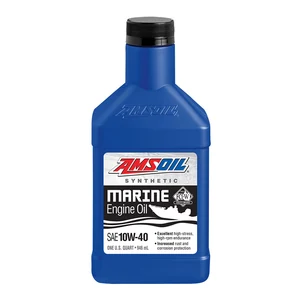
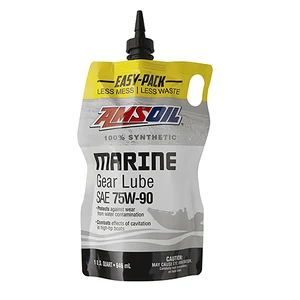
Study AMSOIL passenger-car oils, small-engine lubricants and suitable marine or powersports families as separate lessons. Choose the categories that match the questions your intended audience actually asks. A product family can illustrate the range of available information, but it cannot confirm an unidentified engine's fitment. Practice finding required viscosity, performance specifications and relevant restrictions in the manual before checking product documentation. Explain why an outboard's requirements may differ from those of the vehicle pulling it to the lake. If a customer has a diesel truck, evaluate its exact engine and emissions requirements independently instead of adding it to a gasoline-oil discussion. Keep current references handy, and make it normal to pause for verification. Careful distinctions give owners a repeatable way to understand their own equipment choices.
An effective early study exercise is to take one complete equipment record and explain the selection process from beginning to end. Identify what the manual requests, where a product document addresses it and which details you would still confirm. Then repeat the exercise with a different machine instead of memorizing only product names. Keep a question log so uncertainty becomes a learning task rather than an improvised claim. Minnesota customers may ask about cold-weather performance, storage or mixed equipment in one conversation; tackle each subject separately. Use official technical resources for unresolved applications and communicate when you expect to return with information. Also learn the ordering process well enough to distinguish a technical problem from an account question. These habits support useful service as your knowledge and customer list develop.
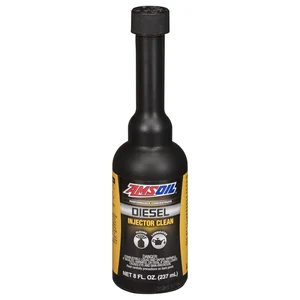
Product Code : DEOQT-EA
Product Code : SVGPK-EA
Product Code : ADFPCN-EA
The distribution map includes Superior, Wisconsin, across the state line from northeastern Minnesota. That geographic connection is useful context, but it does not establish which facility will fulfill any individual order. Consult the official AMSOIL locator for current location information and review actual ordering details for the customer's destination. Avoid promising a delivery day based on proximity alone. Kyle's independent Dealer guidance is separate from corporate warehouse operations, and this page does not offer a public retail counter. For an owner planning several seasonal services, help assemble accurate product selections and quantities early. Confirm that each item belongs to the correct machine before the order is placed. Reliable preparation is a stronger service commitment than an unsupported claim about local stock, availability or fulfillment speed.
Stars show approximate distribution locations, not exact street coordinates. Alaska and Hawaii are inset. Choose a state for its dealer guide or a warehouse card or star for its official address.
An engine-hours estimate can make a seasonal customer conversation more concrete. Imagine a machine with 60 hours left until a service point already selected from its proper maintenance instructions. At an expected 15 operating hours weekly, the planner estimates four weeks. These figures are examples of arithmetic, not recommended service intervals. Calendar limits and changing workloads still matter. If a mowing crew takes on new properties, its estimate can shorten; if equipment is parked, a calendar deadline may arrive first. Ask the owner for a current reading and permission before using reminders for follow-up. A Dealer might offer an application or order check ahead of the estimated service window. Keep the calculator's role limited to planning so a convenient forecast never becomes an unsupported lubricant recommendation.
A Minnesota Dealer business should start with a schedule you can actually maintain. Allocate time for training, researching applications, answering messages and reviewing orders. Then choose a modest number of contacts who have agreed to discuss their needs. Record your actual hours, expenses and customer activity so your next decision is based on experience. Do not assume that winter equipment, summer recreation or agriculture guarantees a particular result. Each audience has purchasing habits and existing suppliers that deserve respect. Decide what support you can provide when someone asks a complex question during your busiest week. Review the plan at a defined checkpoint and narrow the scope if necessary. Progress can mean better records and more accurate answers as well as sales; a specific income or profit outcome is never guaranteed.
Review the official AMSOIL Dealer registration information when your questions about the work are clear. Its training resources and no inventory requirement are useful considerations for someone evaluating a modest start. Read the application and agreement carefully rather than assuming that a product account and an independent business serve the same purpose. Kyle Holdridge can provide online guidance as an independent Minnesota Dealer while you think through learning priorities and customer service. Bring questions about ordering, support and the responsibilities you expect to handle yourself. Registration should connect to a workable plan: a defined audience, regular study time and a dependable way to respond. After completing the official process, continue checking applications and documenting what you learn. The relationship work begins with consistent, useful assistance and grows only as circumstances allow.
 Explore official AMSOIL Dealer registration ↗
Review current account offers and eligibility.