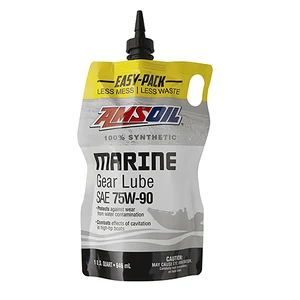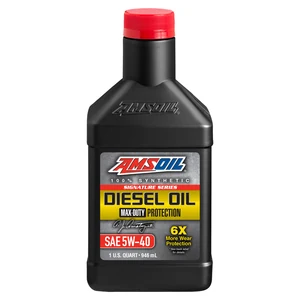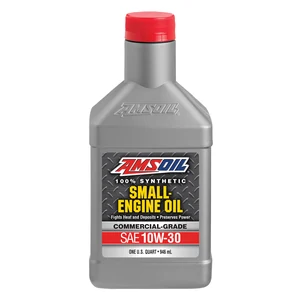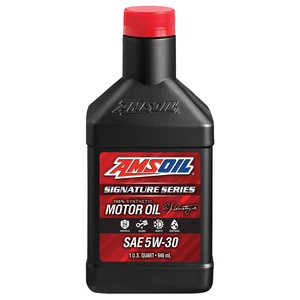








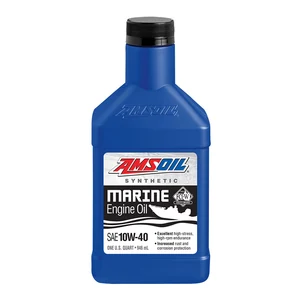
AMSOIL 10W-40 100% Synthetic Marine Engine Oil
Product Code : WCFQT-EA
Read Reviews Ratings & reviews from AMSOIL.com
Product-family totals · Checked Oct 20, 2026
SEE PRODUCT PRICEVIEW DETAILSProduct-family totals · Checked Oct 20, 2026

Signup as an AMSOIL Dealer in Maine with a service approach suited to the owners you want to help. Inland equipment work, coastal recreation and everyday driving can generate different product questions and buying patterns. Choose one audience and develop a reliable way to gather its application information. Kyle Holdridge, an independent AMSOIL Dealer based in Minnesota, offers online guidance to prospective Maine dealers. That support is remote and does not imply a Maine storefront. Your initial business idea can be simple: help owners understand a requirement, check current product information and organize an accurate order. List the knowledge you already have and the subjects that need study. A learning plan gives registration a practical direction and a way to evaluate your service.
Maine has cold, snowy winters and comparatively mild summers, with the Atlantic influencing coastal conditions. NOAA's state summary describes inland continental air influences alongside the ocean's moderating effect. Northern and inland customers may therefore prepare equipment on a different timetable from owners near the southern coast. Ask about the actual operating location and whether machines work, travel or remain stored through winter. That context can guide a timely conversation about manufacturer temperature guidance and service records. It should not become a claim that one winter grade fits every Maine engine. A synthetic label also does not remove starting-system or storage preparation. Use seasonal outreach to invite an owner to identify the machine and review approved requirements. This provides a practical task ahead of changing conditions without turning broad climate facts into unsupported product recommendations or service-interval promises.
An inland Maine property-service or equipment business may have information distributed among operators, service receipts and several manuals. A dealer can offer to organize one machine's approved product record as an initial task. Confirm the installed engine, since an older machine may have been repowered. List the required specification, component, capacity and service trigger in a form the operator and purchaser can both use. Ask who updates the record after servicing and how top-up products are identified. Do not assume that knowledge of the road truck's oil resolves the mower or other support equipment. Each application needs its own comparison. A clear worksheet can be valuable even before the customer decides to order anything. Let their response guide whether you review more equipment, and keep your role centred on researched product information rather than diagnosing unfamiliar mechanical faults from a brief message.
Product Code : WCFQT-EA
Product Code : AGMTB-EA
Product Code : DEOQT-EA
Maine's forests, uplands, lakes and indented coastline shape different work and recreation routines. An inland access road can introduce dust or mud, while a coastal owner may combine road travel with water-related equipment and storage. Ask what the customer actually operates and where maintenance is performed. Towing through rolling country is useful context, but it does not identify the correct axle or engine product. Record each component and the documentation needed before discussing candidates. The same discipline helps you write more relevant educational material: explain one concrete situation instead of describing all Maine owners as facing identical harsh conditions. A customer who understands why a detail matters is more likely to provide accurate information. Use geography to improve your questions and audience choice, while leaving suitability decisions grounded in the equipment maker's requirements and current product data.
A coastal recreation household may welcome help organizing the different requirements behind one trip. Begin with separate records for the boat engine, gearcase, trailer and tow vehicle. Ask for the marine model and serial information and whether the engine is two-stroke or four-stroke. The road vehicle needs its own installed engine details and manual requirements. Explain that similar viscosity numbers do not establish interchangeability across these systems. Marine products and gear lubricants are possible study categories only after the relevant requirements are known. Find out when the owner prepares for launch and storage and whether an invited reminder would be helpful. A thoughtful dealer can make seasonal purchasing easier without proposing a universal kit. Start with the application the owner prioritizes and expand only after it has been researched, documented and clearly explained to the person arranging service or buying supplies.
Oxford Plains Speedway provides a Maine motorsport connection with official information on events, rules and visitor arrangements. Check the current source before planning a visit and seek organizer permission before any commercial activity. A prospective dealer can learn by asking enthusiasts how they keep track of product requirements and what explanations they find useful. A conversation about a race car may also reveal an ordinary tow vehicle or household equipment question. Keep these applications distinct rather than treating racing interest as a universal product preference. Modified engines can require builder guidance and service practices that differ from road use. Refer to the Speedway as community context without implying affiliation, endorsement or participant product use. If someone asks for more information, record the application and return a researched answer. Respectful follow-through gives the introduction a clear purpose beyond merely collecting another contact.
A Maine dealer's study plan may include suitable vehicle oils, small-engine oils, marine lubricants and powersports products. Each category contains application distinctions worth understanding before discussing a purchase. Identify the installed engine and component, gather the required viscosity and performance specifications and compare current product information. A snow machine's two-stroke requirement cannot be inferred from a nearby four-stroke engine, and a boat gearcase has a separate role from the engine sump. Keep these differences visible in your notes. When a customer lacks a readable manual page or model identifier, explain why additional information is needed rather than guessing. A dated record of a verified comparison becomes a useful learning resource. It also allows you to show the customer what supports a recommendation. This is a stronger foundation for your dealership than claiming broad suitability from a product name or familiar container.
Product Code : ASEQT-EA
Product Code : ASLCN-EA
Product Code : SVGPK-EA
The person operating a Maine machine this season may differ from the person who serviced it last year. Your online response should therefore be understandable without access to the original conversation. State the identified application, the requirement checked and any next action needed. Attach or link the current source and preserve the product code in the record. If uncertainty remains, make it explicit and track the question until resolved. Kyle Holdridge offers prospective dealers online guidance from Minnesota, while official AMSOIL materials supply current program and product information. A short, reliable follow-up is more useful than promising instant answers across unfamiliar applications. Ask whether the person doing the service has received the information. That practical check can turn remote research into something a customer can confidently organize and use at the right time.
AMSOIL's official distribution locator provides current corporate facility information, including Lancaster, Pennsylvania and the Chicago-area location. A Maine dealer can use the directory to answer location questions while avoiding promises about which warehouse will fulfill a purchase. For collection, confirm stock and procedures directly before someone plans a journey. Online order timing should come from the actual transaction information, not a map-based estimate. Help customers prepare accurate product codes, package sizes and quantities ahead of their established service plans. Separate marine, vehicle and small-engine items so that similar descriptions do not create ordering mistakes. Ask the owner to review the list before purchase. A reminder before a seasonal preparation date can be a useful service when requested. Describe your independent operation accurately and keep corporate facilities distinct from any local services you personally provide to customers.
Stars show approximate distribution locations, not exact street coordinates. Alaska and Hawaii are inset. Choose a state for its dealer guide or a warehouse card or star for its official address.
Suppose a Maine grounds machine reads 560 hours and has an established service point at 600. The engine-hours tool converts the remaining 40 hours into about eight weeks at five hours per week. If seasonal work increases to ten hours weekly, the estimate becomes four weeks. Confirm that the due reading comes from applicable maintenance guidance and record any calendar requirement separately. The calculation cannot prescribe a drain interval, evaluate oil condition or extend the manufacturer's limits. For a dealer, the useful outcome is an agreed reminder to confirm products before planned service. Update both the reading and expected use when work changes. If the machine will sit stored, ask how calendar requirements affect the plan rather than treating zero weekly hours as unlimited service life. Clear assumptions keep the tool helpful as a scheduling aid instead of an implied mechanical recommendation.
Build your first Maine business plan around when your chosen audience is available to discuss equipment. A seasonal owner may prefer preparation conversations well before active use, while a working business may need short written answers during busy periods. Choose one practical offer and a regular time block for delivering it. Track research completed, invited follow-ups, expenses and time spent. Do not assume that a long coastline, extensive equipment use or a popular race venue establishes demand for your service. Ask customers what helped and which part of your explanation needs improvement. Review those observations before expanding your audience or catalogue focus. A repeatable support routine gives you better evidence for future business decisions than an expansive launch built around an assumed income outcome.
Use the official AMSOIL Dealer enrollment page when you are ready to examine the current program information and agreement. Bring your Maine audience choice and the questions raised by your initial service plan. AMSOIL offers video resources for dealer learning and does not require inventory purchases to begin. That can support a focused start built around product knowledge and organized customer support, while leaving any stock decision for a documented business need. Kyle Holdridge provides online guidance from his independent Minnesota dealership for prospective dealers preparing the process. Submit application information through the official form and keep the current materials for reference. After registering, select one application to study, prepare a clear intake worksheet and establish your first follow-up routine. Those steps give the signup decision a practical direction without implying immediate demand or a guaranteed financial result.
 Explore official AMSOIL Dealer registration ↗
Review current account offers and eligibility.