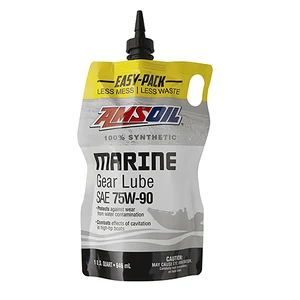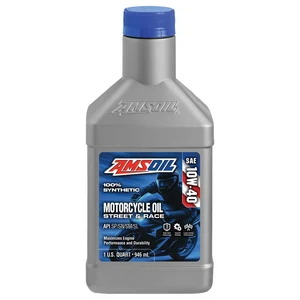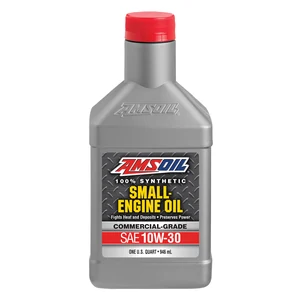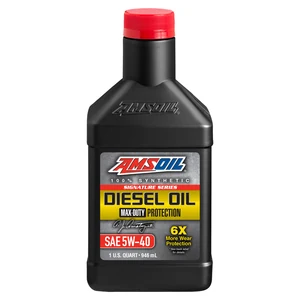








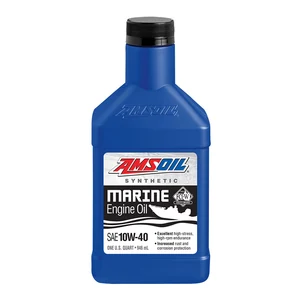
AMSOIL 10W-40 100% Synthetic Marine Engine Oil
Product Code : WCFQT-EA
Read Reviews Ratings & reviews from AMSOIL.com
Product-family totals · Checked Oct 20, 2026
SEE PRODUCT PRICEVIEW DETAILSProduct-family totals · Checked Oct 20, 2026
Signup as an AMSOIL Dealer in Michigan by first identifying the customer questions you are prepared to investigate carefully. Automotive enthusiasm is a useful starting interest, but a sustainable independent business also requires organized records, accurate product information and time for follow-up. A relationship with a restoration club calls for different preparation than a conversation with an orchard operator. Decide which setting you understand and begin there. Kyle Holdridge is an independent AMSOIL Dealer based in Minnesota who offers online guidance to prospective Dealers. This page helps you consider the work behind registration, including learning a few categories well and developing realistic service habits. It does not promise that Michigan's automotive connections will automatically generate demand. Review the official opportunity with your own available time and circumstances in mind.
Michigan car enthusiasts may arrive with strong opinions about lubricants, making clear documentation especially useful. Practice separating a familiar product name from the standards required by an exact engine. AMSOIL Signature Series passenger-car oils, Z-ROD products for appropriate applications and motorcycle lubricants illustrate different categories to study. They are not interchangeable recommendations for every garage. Older vehicles may have modified engines whose builders provide information beyond an original manual. Modern engines can introduce their own specifications and emissions-related requirements. Record the source behind each recommendation, including the date when you checked it. A productive Dealer explains what has been verified and which details remain unknown. That is more helpful than trying to win a brand debate, and it gives an enthusiast a concrete reason to return with the needed equipment information.
Product Code : WCFQT-EA
Product Code : AGMTB-EA
Product Code : MCFQT-EA
The Great Lakes moderate Michigan temperatures and influence snowfall, producing important differences between inland locations, shorelines and the two peninsulas. The official climate summary describes cold winters and warm summers within this regional setting. For Dealer education, the lesson is to ask where equipment is stored and used, rather than treating a statewide average as its operating temperature. A snow-clearing customer and a summer boating customer can have nearly opposite busy periods. Discuss the owner's documented starting, storage and service requirements before suggesting products. A cold-weather concern does not justify selecting a viscosity outside the approved range. Make weather part of the customer's planning record, and update the conversation when equipment moves to another location or its workload changes through the season.
An independent repair or restoration business around Detroit, Flint or Lansing could be a useful audience to explore if you already have appropriate relationships. Ask how the shop verifies applications, who selects supplies and whether outside product information would help. Technicians may be interested in a source they can check rather than a long sales presentation. Offer a small, documented research task, such as locating current information for a particular vehicle already identified by the shop. Never imply that a product family covers an entire make or decade. Modified engines require especially careful discussion. If the shop declines, respect its purchasing process and avoid repeated pressure. Learning how a professional evaluates information can improve your Dealer practice even when the conversation does not result in an order.
Western Michigan's orchard and farm communities suggest another possible audience, particularly for someone who knows agricultural work firsthand. A prospect could operate tractors, utility vehicles, pumps and road trucks with unrelated fluid requirements. The first task is an equipment inventory that distinguishes engine oil from hydraulic, transmission and axle needs. Ask which machines are owner-serviced and which are maintained by a separate shop. Discuss ordering windows before seasonal work intensifies, while recognizing that weather can alter the plan. Do not assume a farmer wants a shelf full of unfamiliar products or a change to an established service practice. A useful Dealer can start by researching one verified application and organizing the resulting record. Consider this an audience possibility to investigate, with customer interest and suitability established individually.
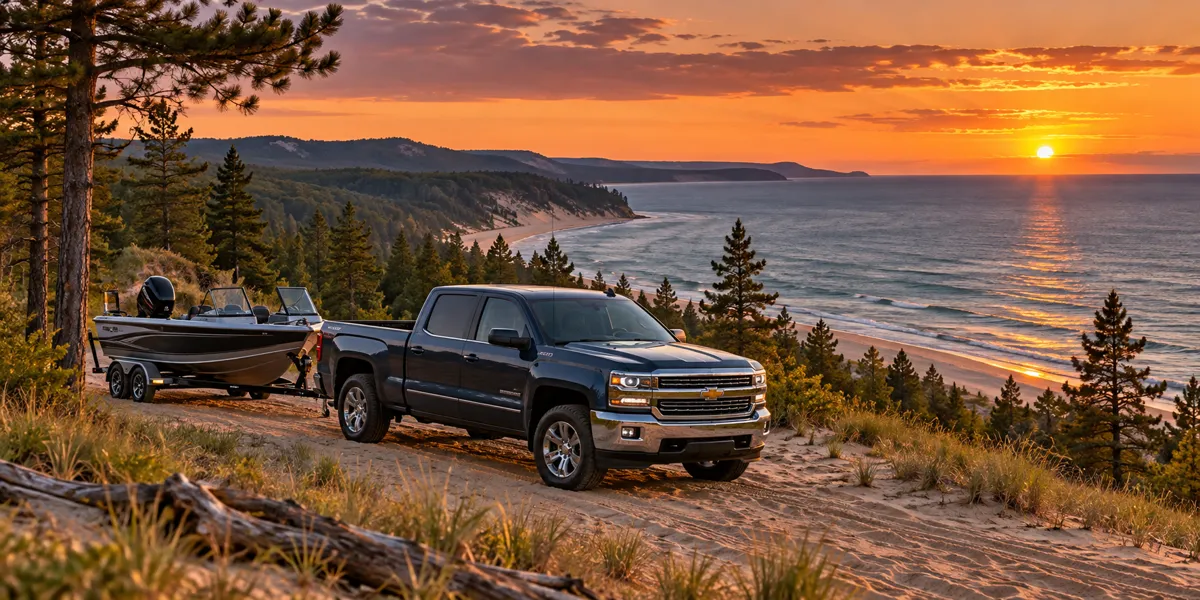
Michigan's geography includes two peninsulas, extensive shorelines, forested northern country and agricultural landscapes farther south. A Dealer working online can help customers across these settings without promising routine personal deliveries over long routes. If you plan in-person visits, estimate travel time and group appointments only when customers welcome them. For equipment discussions, separate a highway tow vehicle from a machine working on an unpaved trail or farm lane. Dust, load and slow operation are details to compare with the manufacturer's instructions, not statewide oil specifications. Ask whether the customer has changed trailers, routes or equipment since the last service. Geographic awareness earns its place by improving those questions and making your service commitments realistic, especially when a customer lives well outside your usual area.
Michigan International Speedway publishes official event and visitor information for its facility in Brooklyn. Enthusiasts considering a visit should check current arrangements directly with the organizer. For a prospective Dealer, racing can prompt useful questions about the difference between a competition engine and the road vehicle used to reach the track. Those uses should never be merged into a universal racing-oil recommendation. Builders, rules and documented engine requirements remain central. Attend to listen and learn where appropriate, and obtain permission before attempting any commercial activity. A ticket or a fan conversation does not create an exhibitor agreement. The speedway is included as local motorsport context only; this page claims no partnership, sponsorship or organizer endorsement, and it makes no promise that attendance will lead to customers.
A recreational customer may ask about a boat, snowmobile, motorcycle and tow vehicle during the same call. Resist the temptation to turn that into one quick recommendation. Create distinct records with year, manufacturer, model, engine identification and the relevant manual information. Ask about modifications and whether the machine uses a wet clutch or a separate gearbox where applicable. Study the suitable AMSOIL categories after those facts are available. Explain what an official lookup establishes and where additional confirmation is required. Good records make the next conversation shorter without replacing a fresh check when something changes. They also help a new Dealer see which subjects deserve more study. If a request extends beyond your knowledge, a prompt acknowledgment followed by a sourced answer is a professional response.
Product Code : ASEQT-EA
Product Code : DEOQT-EA
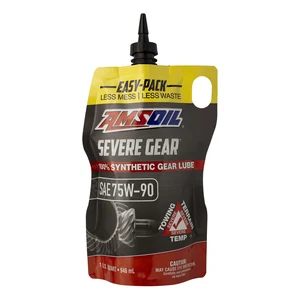
Product Code : SVGPK-EA
Michigan customers may notice distribution points in neighboring states on the network map. Explain that a map marker identifies a facility, not the warehouse that will necessarily fulfill a particular order. Use the official AMSOIL locator for current location information and check actual ordering details for the customer's destination. No Michigan retail counter or delivery deadline is established by this page. Your value as an independent Dealer can be helping customers verify product selections, quantities and account information before submitting an order. A shop planning ahead for several vehicles may appreciate an organized list with separate applications clearly labeled. Avoid turning estimated travel distance into a shipping promise. If the customer has a firm service date, review available order information early enough to allow a practical contingency plan.
Stars show approximate distribution locations, not exact street coordinates. Alaska and Hawaii are inset. Choose a state for its dealer guide or a warehouse card or star for its official address.
Use the engine-hours planner with a customer's documented service target and expected usage, rather than presenting a generic oil-change schedule. For example, 48 hours remaining divided by 16 expected operating hours per week gives an estimate of three weeks. Those numbers merely demonstrate the calculation. The owner must establish the actual interval from appropriate instructions, including calendar limits and operating conditions. An orchard machine's weekly hours may change sharply during harvest, so revisit the estimate instead of treating it as a fixed appointment. With permission, a Dealer could use the result to ask whether product identification or ordering help is needed. Record the latest meter reading and keep the next service decision separate from the reminder. This makes the tool useful for preparation while preserving the limits of an illustrative forecast.
Before registration, write down a narrow first audience, a weekly time allowance and the information you need to learn. A realistic early goal could be completing product training and answering several customer questions accurately. Track actual expenses, hours invested and resulting orders so you can evaluate the business with your own evidence. Michigan's large automotive community does not establish a sales forecast for an individual Dealer. Consider how much research you can provide when a prospect has several modified vehicles or incomplete records. Decide when to refer a question to official technical resources instead of spending time guessing. Review the plan after a defined learning period and adjust your scope as necessary. Sales, profit and customer retention depend on many factors; none is assured simply by completing registration.
When you are ready to move from research to participation, use the official AMSOIL Dealer program page and read its current application and agreement. Training and the absence of an inventory requirement are program features to consider alongside the ongoing work of serving customers. They do not remove the need to study applications or follow through on questions. Kyle Holdridge, an independent Minnesota Dealer, can offer online guidance as you prepare your next steps for Michigan. Keep questions about the business opportunity separate from questions about buying products for personal use, since those are different decisions. Choose a manageable audience, preserve your research notes and make time for learning after registration. Your first useful achievement may be a carefully documented answer that helps an owner make an informed choice.
 Explore official AMSOIL Dealer registration ↗
Review current account offers and eligibility.